Walking inspiration in Axarquía

Discover Axarquía's lesser-known spots, from rugged mountain paths to deserted villages. An adventure waiting to be walked.
My first steps in Axarquía
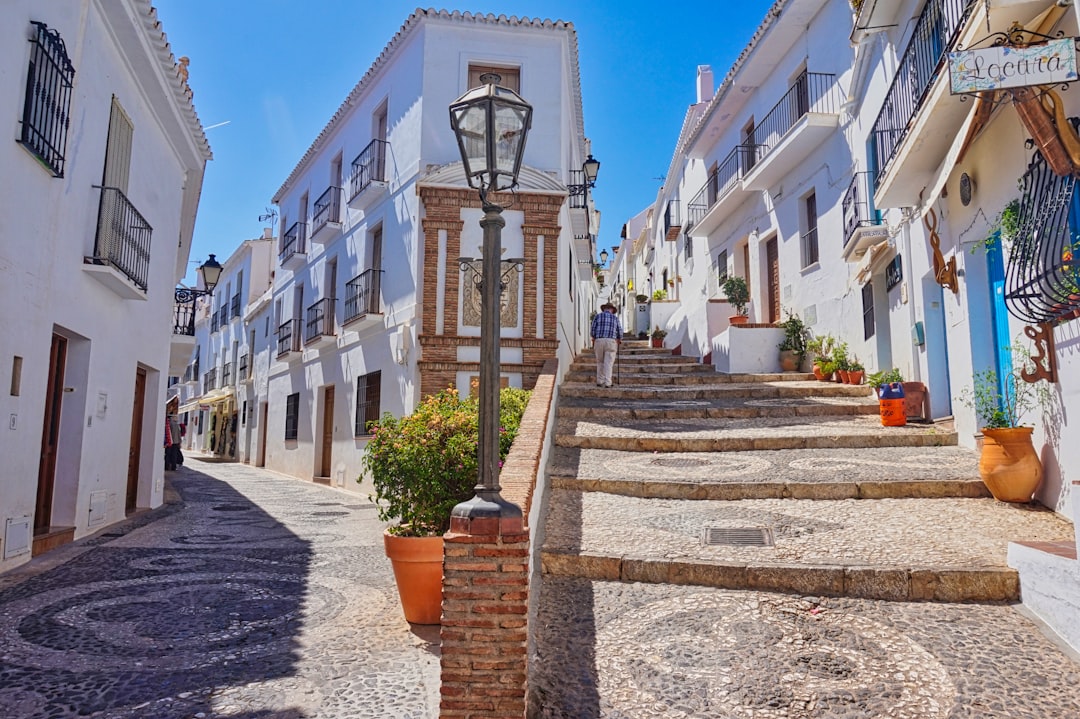
I felt the sun's warmth directly on my skin as I stepped out of the car; the March spring sun here is surprisingly strong. One of the first things I did was explore the area around Nerja. What I didn't expect were the countless walking trails behind the coastline; this area is called Axarquía, and it's rugged and mountainous. I parked my rental car, a compact Seat Ibiza for €25 a day, on the edge of Frigiliana and started my first solo hike. By the way, that day the goal was to walk the Camino de Siete Pechos. It's a challenging route, about 10 kilometers, with quite a bit of elevation gain. Good preparation is essential; definitely take 2 liters of water per person, because you won't find any shops along the way. Honestly, the views over the mountains and the sea were spectacular, a real reward for the effort. The starting point is at Plaza del Ingenio in Frigiliana, recognizable by the old sugar factory. Well, I'd read online about the Río Chillar route earlier, but that wasn't accessible then because of the water level. For spring walks, like now, I'd recommend the route to El Acebuchal. This is a hidden village above Nerja, often called "the ghost village". The total distance is about 14 kilometers there and back from Nerja center, which is usually about a 4-hour walk. Put on sturdy hiking boots, because the paths are sometimes uneven. Oh, another recommendation is the hike to the top of El Cielo. At 1,508 meters, this is the highest peak in the Nerja area and offers panoramic views of the coastline and the interior. It's a tough trek, count on a whole day, about 8 hours in total. The route usually starts from the Cuevas de Nerja. You'll need some hiking experience for this, and a good fitness level. Anyway, I've also started exploring the Sendero Cueva del Agua. This route, which starts near the village of Maro, is much more accessible and offers beautiful nature along the river. It's a relatively flat route of about 7 kilometers, ideal for a relaxed afternoon stroll. You'll find the entrance near the El Pinarillo recreational area, after a short off-road drive. Don't forget to pack your lunch; picnicking there is perfect.
Two gems to choose from
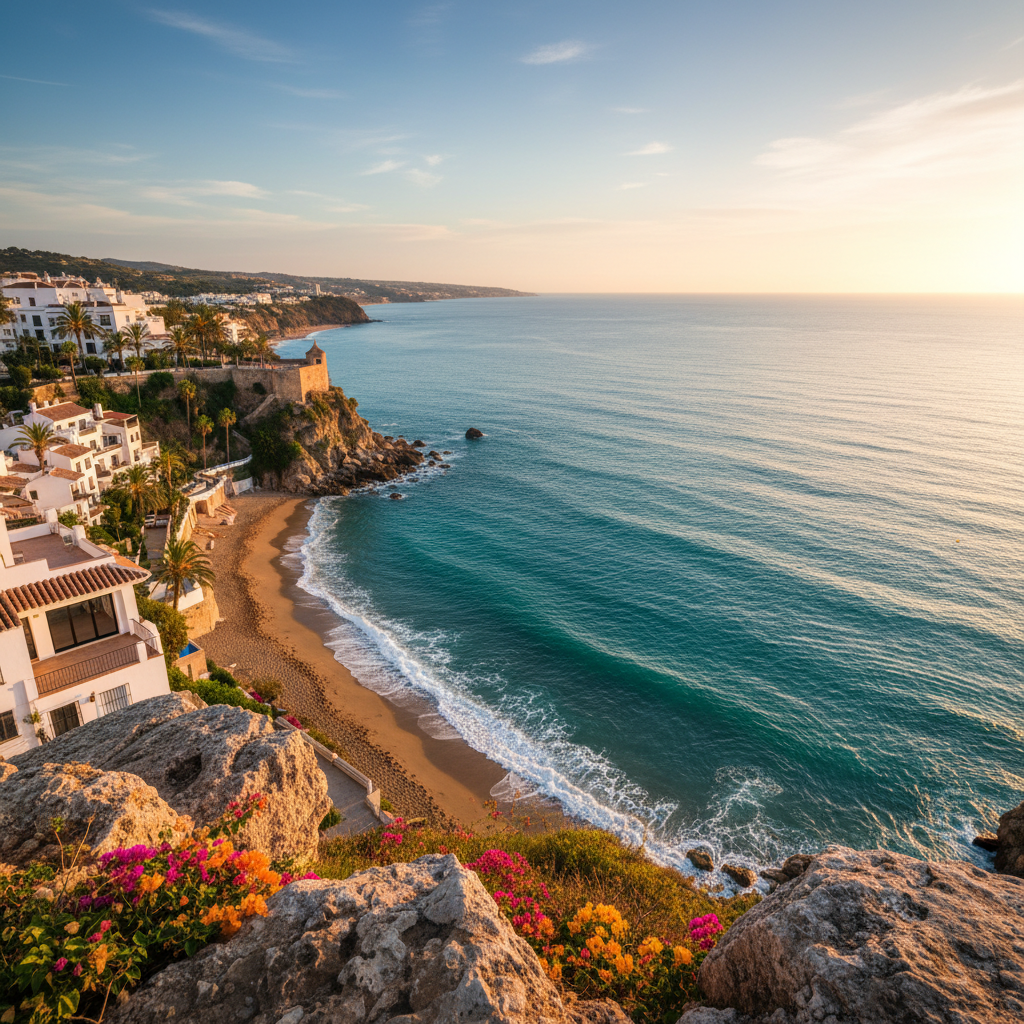
Well, after that first introduction to Axarquía, I was completely sold. There are so many hiking routes here, you almost get decision fatigue. I've picked out two that I personally loved, but they're very different. The first route, the Río Verde Trail from Otívar, is a real adventure. Honestly, this one's not for the faint-hearted, especially not in spring with meltwater. There are sections where you wade through water; you really need waterproof hiking boots. The trek is about 10 kilometers long and you walk through a gorge with steep rock faces. I spent six hours on it, including a few stops. What's noticeable is that you can also do canyoning here. Along the route, you'll sometimes see groups in wetsuits abseiling down. For us, though, it was purely hiking. The route is free to enter, but do start early to avoid the crowds. Parking is available at the gorge entrance; there's a small parking lot. By the way, for the second route, I went towards Nerja, to the Barranco de Maro. This is a much more relaxed option, perfect for an afternoon walk without too much hassle. The route starts at the Balcón de Europa. You follow coastal paths with beautiful views over the Mediterranean Sea. You walk about 8 kilometers there and back, mainly on well-maintained paths. Part of the route is even paved, which makes it accessible for most people. Along the way, you'll pass several small coves, ideal for a picnic. I noticed that a bottle of water and some snacks are indispensable here. I took about three hours. Oh, I noticed that at the Cueva de Nerja, near the Barranco de Maro, you can park your car for €2.50 a day. From there, it's a short walk to the starting point. This route is also popular with locals.
What to pack in your backpack
For spring hikes here, the right preparation is essential. Start with good hiking boots; sturdy soles with grip are a must. Many paths are rocky and can sometimes be slippery due to loose stones, so ankle support isn't an unnecessary luxury. I wear "Merrell" shoes myself, which I bought online for €120. I noticed that taking enough water is crucial, especially with the spring sun. I often take at least 2 liters for a walk of a few hours. You'll rarely find places to refill along the routes, so be prepared. A small backpack is handy for some snacks, your camera, and of course your water bottles. I also noticed you should think about your clothing. Although it can be warm in March, temperatures can drop significantly in the shade or at higher altitudes. Layering works best. I usually wear light trousers, a T-shirt, and a thin windbreaker that I can easily take off or put on. Cotton breathes but quick-drying fabrics are nicer. Sunscreen and a cap or hat are indispensable. The sun here is deceptively strong, even in early spring. I always apply factor 50 and always have a cap with me; it protects a bit against the strong sun rays. Plus, sunglasses aren't a luxury either. I've noticed how quickly the weather can change. A light rain jacket, even if the forecast is good, isn't a bad idea. Some paths quickly turn into muddy, slippery messes then. A foldable, ultralight jacket takes up hardly any space and can save you a lot of trouble. Think of a jacket costing, say, €50-€80. Finally, don't forget to charge your phone. Not just for some nice photos, but also for emergencies. Reception isn't perfect everywhere, but a full battery still gives peace of mind. And download the hiking route offline on your phone beforehand, in case you don't have reception. I always do this via AllTrails, an app with lots of detailed routes and maps.
A well-deserved reward after the trek
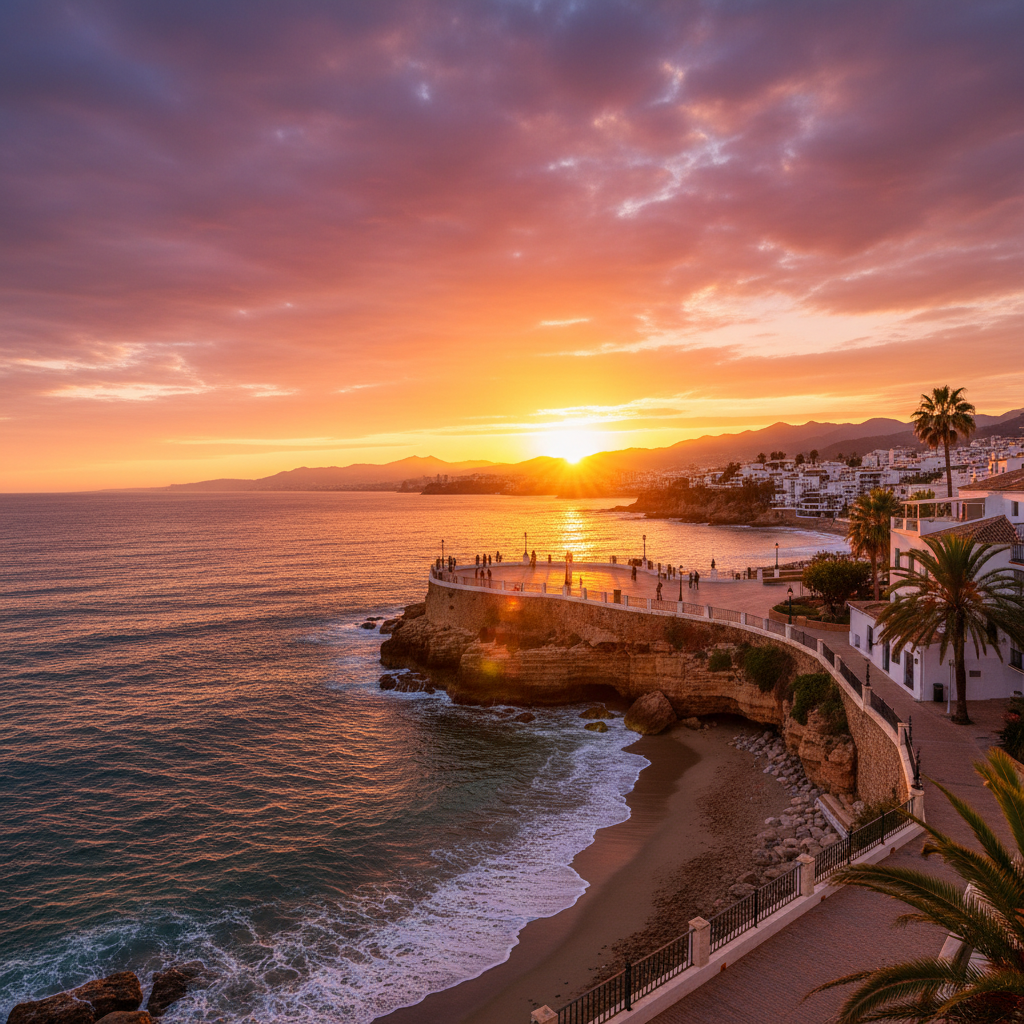
After a long day of hiking, there's nothing better than plopping down at a good restaurant. In Nerja, I go to Chiringuito de Ayo. This place is known for its huge paellas, which they've been cooking over a wood fire since 1969. A plate of paella here will cost you €9.50 right now, a great price for such a generous portion. The restaurant is right on Burriana beach, so you've got a nice view of the Mediterranean Sea. It's often busy there, especially in spring, but the atmosphere is relaxed. You can also go there for a cool drink. If I want something lighter, I order the gambas pil-pil. They're excellent here and cost around €12. It's a perfect snack to replenish your salt levels. The service is always quick, despite the crowds. Anyway, if you're in Nerja and fancy something other than paella, try the fried boquerones. These are small fish they catch locally here. A portion is about €10 and tastes delicious with a bit of lemon. They also have lots of fresh salads, should you want to keep an eye on calories after all that walking. A large salad with tuna and local vegetables costs around €8. The terrace is also ideal for people who just want a drink. Worth it. Just do it.