Hiking the Río Chíllar near Nerja

Discover the enchanting Río Chíllar hiking trail in February, ideal to avoid summer crowds and enjoy Andalusian nature. Prepare for an unforgettable journey through the crystal-clear waters of this river gorge.
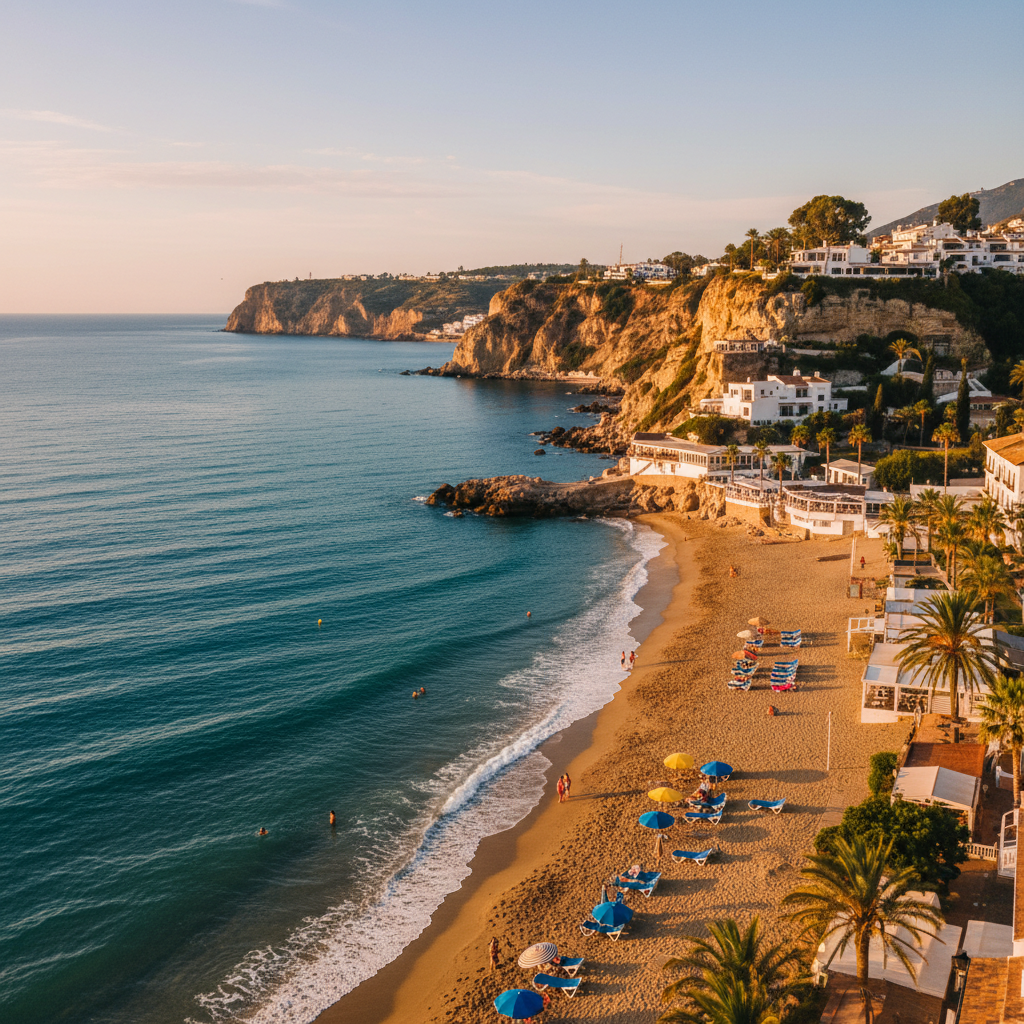
The Río Chíllar hiking trail near Nerja is an experience you won't want to miss, especially in the crisp month of February. While summer months often lead to overcrowded paths and high temperatures, early spring offers a quieter and more pleasant journey. You literally walk in and through the river, surrounded by breathtaking nature. It's a unique adventure that takes you past waterfalls, rapids, and narrow gorges that make you feel miles away from civilization, yet Nerja is surprisingly close.
The Start of Your Adventure: Access and Parking
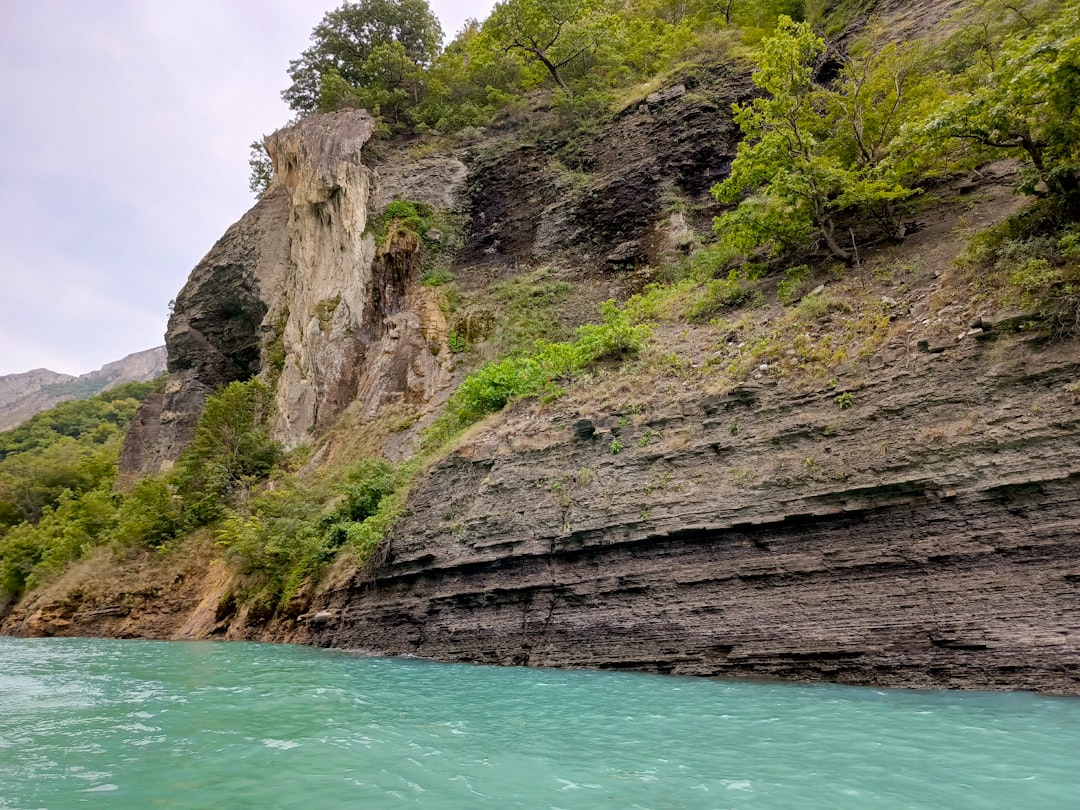
To begin your hike properly, it's crucial to locate the starting point. The official access to the Río Chíllar is slightly north of Nerja, on the outskirts of the village. You can set your navigation to 'Parque Nacional de la Sierra de Almijara, Tejeda y Alhama', specifically the entrance via the 'Cueva de Nerja' route. Follow the signs for 'Camino de los Almachares' or look for the parking entrance often indicated as 'depósito de agua'.
- Exact Starting Location: Approximately 3 kilometers north of Nerja's town center, near the cement factory and the water treatment plant.
- Parking: Parking can be challenging, even on busier days in early spring. There's an unofficial parking area near the cement factory (Fabrica de Cemento). From here, you walk about 1.5 kilometers down the unpaved road until you reach the water reservoir. This is where the route truly enters the river. Be aware of illegally parked cars along the roadside; this is tolerated but can be inconvenient. Plan to arrive early, preferably before 09:00 AM, to secure a good spot.
- Public Transport: Unfortunately, there's no direct public transport link to the starting point. A taxi from Nerja is the most practical option if you don't have your own transport. Expect to pay around 10-15 euros for a one-way trip.
What to Expect in February: Water Levels and Weather
February offers a very different character for the Río Chíllar than the summer months. Water levels are generally higher than in late summer or autumn, but rarely dangerously high. Winter rainfall ensures a fresh, flowing river. Temperatures in February usually range between 10°C and 18°C. This makes it wonderful for activity, but also means the water can feel cold, especially in the shaded gorges.
- Water Temperature: Expect water between 10°C and 14°C. While refreshing, prolonged periods in the water can become cold.
- Sunny Days: The Costa del Sol is known for its many hours of sunshine, even in February. Nevertheless, shaded sections of the gorge can feel cooler. However, movement will keep you warm.
- Rain: Although February generally offers good weather, the chance of rain is higher than in summer. Always check the weather forecast before you leave. In case of heavy rainfall, the route is not recommended due to potentially rising water levels.
Gear: Essential for a Comfortable Trip
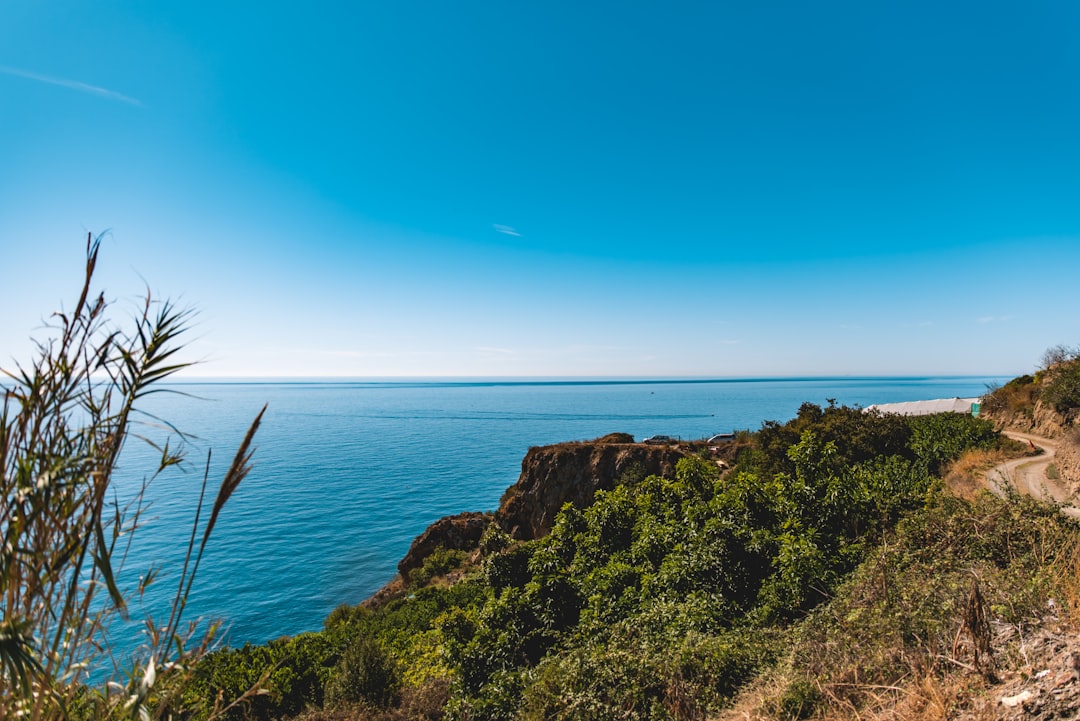
Your gear is crucial for the success and enjoyment of your Río Chíllar adventure. Preparedness is half the battle, especially when hiking through a river.
- Footwear: This is the most important item. Wear shoes that can get wet and offer good grip on slippery, wet stones. Old sports shoes with good tread are ideal. Water shoes with a sturdy sole can also work, but avoid flip-flops or sandals without ankle support. Hiking sandals (Teva or Keen type) are perfectly suited. The pebbles can be sharp and make your feet uncomfortable without proper protection.
- Clothing: Wear light, quick-drying clothing. Shorts or zip-off trousers are comfortable, as your legs will often get wet. Bring an extra layer for cooler conditions, especially in the early morning or shaded areas. A rain jacket is always wise, given the unpredictable early spring weather.
- Backpack: A waterproof backpack is highly recommended. This is where you'll store your valuables, lunch, and extra clothing. If you don't have a waterproof backpack, use dry bags or sturdy plastic bags to protect the contents of your regular backpack. You cannot do this route without the risk of your backpack getting wet.
- Food and Water: Bring plenty of water, at least 1.5 liters per person, and energy-rich snacks such as nuts, fruit, and sandwiches. There are no facilities along the way.
- Safety and Accessories: A waterproof case for your phone, sunscreen (even in February, the sun can be deceiving), a hat, and a small first-aid kit (blister plasters are a must) are essential additions. Don't forget your camera, preferably waterproof, to capture the beautiful surroundings.
The Route: Step by Step Through the Water
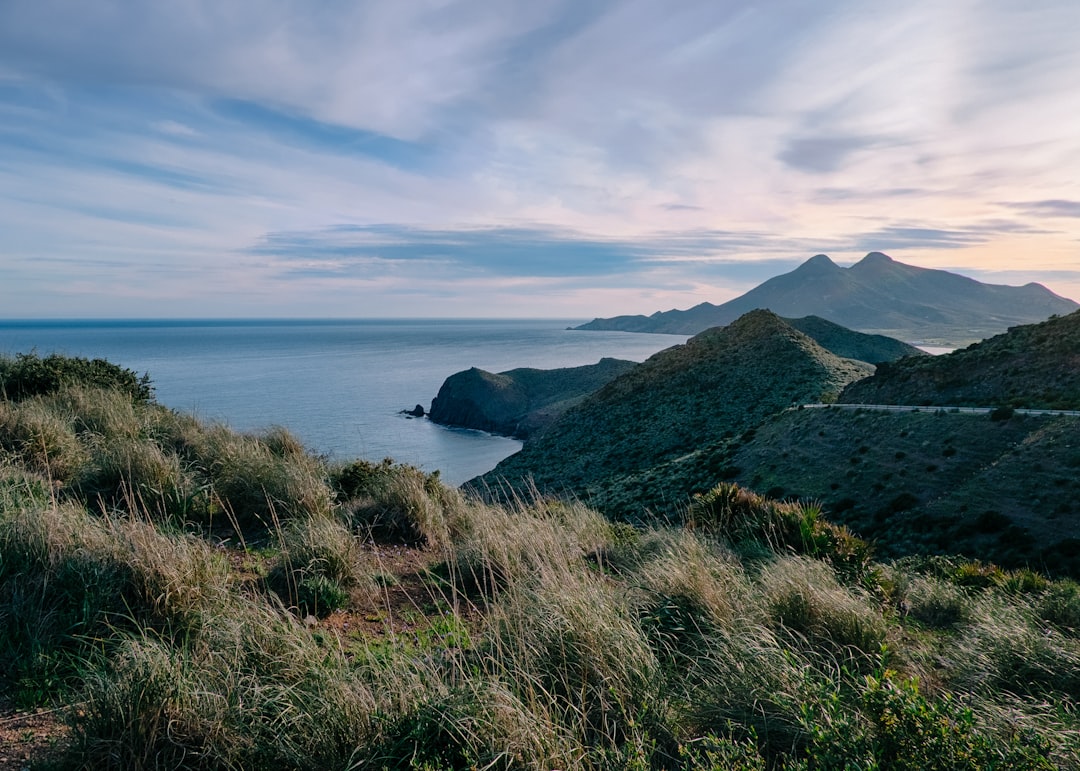
The Río Chíllar route is not a traditional hiking trail; you follow the riverbed. The route is not marked with arrows or signs, but the 'way' is clear: follow the river upstream.
- First Kilometers: After the water reservoir, you immediately start walking in the water. The depth varies from ankle-deep to sometimes knee-deep, depending on the exact water level and location. The bottom is covered with slippery pebbles, so be careful with each step.
- Los Cahorros: After about 3-4 kilometers, you'll reach the first spectacular gorge, known as 'Los Cahorros'. Here, the river narrows significantly, and the rock walls rise steeply. The atmosphere here is magical. You sometimes have to move sideways to get through the narrow passages. Here you'll also find some small waterfalls that you need to cross or bypass. The rocks here have been worked to provide handholds, similar to via ferrata elements, but in a natural way.
- Further Upstream: The route continues past several small waterfalls and clear pools. The further you go, the quieter it becomes. Many hikers turn back after Los Cahorros, but it's definitely worth continuing if you have the time and energy. The landscape remains impressive, with even more narrow gorges that sometimes force you to swim, although that's less common in February due to the water temperature.
- The Turning Point: There is no official end to the route. Most people turn around after a few hours of hiking, often after the second or third significant waterfall, when they feel they've seen enough or when the gorge becomes too narrow and deep. A common distance to cover is 6-8 kilometers one way, meaning a total hiking time of 4-6 hours (including breaks and photo opportunities). Ultimately, you follow the same path back.
Safety is Priority: Important Considerations
While the Río Chíllar is a wonderful experience, safety should never be underestimated. Nature can be unpredictable, so always be prepared.
- Alone or in a Group: If you're inexperienced, it's advisable to go with at least two people. If something happens, help is always nearby.
- Weather Forecast: Always check the local weather forecast for Nerja and the Parque Natural. If heavy thunderstorms or prolonged rain in the mountains are predicted, you should postpone the hike. In the gorge, water levels can rise quickly and dangerously (flash floods).
- Mobile Reception: Mobile reception in the deep gorges is often limited or absent. Don't rely on it for emergency calls. If you do need to check the route, you can consult the chatbot Maria for the latest known conditions, but don't let it distract you from your path.
- Nature Conservation: Take all your rubbish back with you. The Río Chíllar is a protected natural area, and it's crucial to preserve its pristine state. Leave no trace.
- Wildlife: The chance of encountering dangerous animals is small, but always respect the fauna. Generally, you'll mainly encounter reptiles warming themselves in the sun and birds nesting along the rock faces. Do not feed any animals.
Alternatives and Other Tips in February

If the Río Chíllar isn't your cup of tea in February (e.g., due to cold water or unstable weather), there are plenty of alternatives around Nerja to enjoy nature.
- Cliffs of Maro-Cerro Gordo: Explore the beautiful coastal walks along the cliffs of Maro and Cerro Gordo. Here you'll enjoy spectacular views of the Mediterranean Sea and secluded coves. The chance of spotting dolphins here is greater than you might think.
- Cueva de Nerja: The world-famous Nerja Caves are an impressive underground complex and an excellent alternative if it's raining or too cold outside. Here you can admire ancient stalactites and stalagmites, as well as some prehistoric cave paintings.
- Hiking in the Sierra de Tejeda, Almijara y Alhama: For more traditional mountain hikes, you can venture deeper into the natural park. There are numerous marked routes for various levels, ranging from easy short walks to challenging peaks like El Cielo. The view from El Cielo on a clear day is phenomenal, overlooking the coastline and even the mountains of Morocco across the Mediterranean Sea.
February in Nerja offers a fantastic opportunity to explore the Río Chíllar without the summer crowds, and with a unique, fresh experience of the landscape. Prepare well, respect nature, and enjoy this unforgettable water hike. It will be one of the highlights of your trip to the Costa del Sol.