The charm of Maro
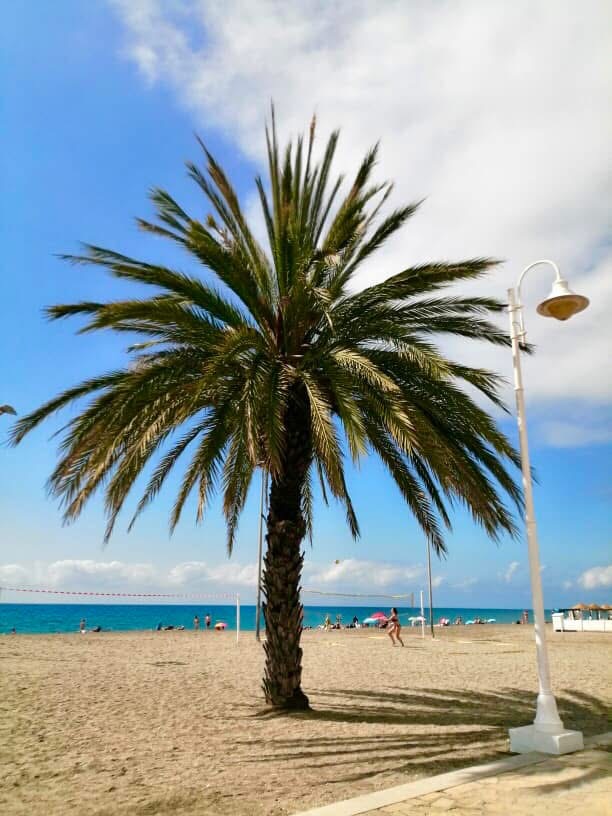
Maro, a small village near Nerja, offers more than just the caves. Discover the peace, the beaches, and spots where locals hang out, away from the crowds.
The bus to Maro slowly chugged uphill. It was early June, and the sun was already high. Still, a breeze kept the temperature pleasant, around 28 degrees. I got off at the stop in the middle of the village, just in time to catch the smell of freshly baked bread from the small bakery. Right away, I knew I was in the right place. This spot feels different from busy Nerja.
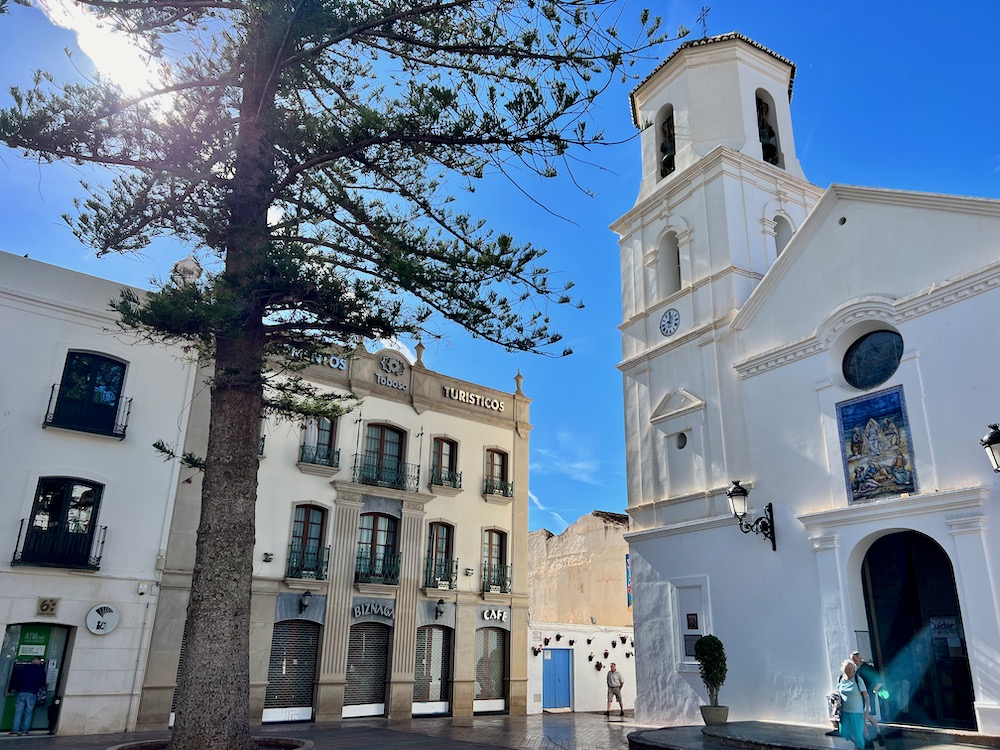
### Why Maro is different Maro is small, with about 700 inhabitants, and it's just east of Nerja, nestled against natural cliffs and beaches. It's a haven of peace compared to the hustle and bustle of Burriana or the Balcón de Europa in Nerja. While Nerja can sometimes feel overwhelming with its tourist crowds, Maro retains that typical Andalusian character. White houses, narrow streets, but with an unmistakable connection to the sea. This isn't a "white villages" route type of village, in the sense of a mountainous, remote place. Maro is a fishing village through and through, even if tourism plays a bigger role here now. The atmosphere here is different; it's friendlier, less commercial. You still see locals chatting in the street without immediately being offered all sorts of stuff. It's also higher up, on a cliff, so you often get a great view of the coastline below.
### A walk through the coves Start your walk at the top of the village, near the bus stop, and head towards the coast. Maro's main street eventually ends at a viewpoint. From here you can see the coastline, with the small, rugged beaches that make Maro so popular with those who want to avoid the crowds. They're not sprawling sandy beaches, but rather coves enclosed by rocks. Take the stairs down towards Cala de Maro. This path is fine, but the way back up is quite steep. Water sandals are handier here than sneakers because the beaches are rocky. After a refreshing swim, you can walk further along the coastline, as far as possible, to the next small beach, Playa de Maro. It has tiny pebbles, and the surroundings are rugged, just how I like it. The whole route, including a stop at the beach, takes about an hour and a half, depending on how long you hang out by the water. The views over the clear blue sea and the cliffs are well worth the climb.
### Tapas where the fishermen go If you're in Maro, you really should grab a bite where the local fishermen end their day. There's a small chiringuito right on the water at Playa de Maro. Very simple, plastic tables and chairs, but the fish goes straight from the sea onto your plate. Ask for the 'espetos de sardinas', sardines on the spit. They're cooked perfectly over charcoal here. Don't expect an extensive menu; that simplicity is exactly its strength. Another option is Mesón de Ani in the village itself. It's not a fancy place, but a traditional Spanish restaurant where the portions are generous and the prices fair. The 'berenjenas con miel', fried aubergine with honey, is highly recommended here. I like to go for lunch, around one o'clock; then the locals are there too, and the atmosphere is at its best. No complicated dishes, just good, fresh ingredients that speak for themselves. A beer with it, and your day can't go wrong.
### Getting there and parking in Maro Maro is easy to reach. From Nerja, take bus line 10, which runs frequently and drops you off in the center of Maro. The ride takes about ten to fifteen minutes. If you come by car, parking is another story, especially in high season. There's a small, free car park on the edge of the village, near the Cuevas de Nerja. From there, it's a five-minute walk to the center. Early June, it wasn't too bad, but in July and August, it fills up quickly. Then it's best to park your car in the large car park at the Nerja caves and walk a bit further from there, or take the bus. That saves a lot of searching and frustration. The village itself is clear and fairly flat, but the paths to the beaches are, as I said, steep. For people who aren't so good on their feet, Maro itself is fine, but the coves are a challenge.
### The best time to go The best time to visit Maro is early morning or late afternoon. In the morning, say around nine, you can calmly wander through the village, soak up the peace, and watch the bakers put the finishing touches on their bread. The beaches are still almost empty then. In the late afternoon, around six o'clock, the sun slowly dips and colors the light a beautiful golden hue. You can then take a refreshing dip and quietly have a drink somewhere. Avoid the midday sun in summer, because it's simply too hot and too busy, especially at the popular beaches. If you really want to avoid the crowds and still want an authentic experience, it's best to visit Maro in the spring or autumn, so May/June or September/October. The San Juan fire festival at the end of June is also celebrated here, but then the village is so packed that I'd rather skip it.
### What many day-trippers miss Many people come to Maro for the Cuevas de Nerja, the world-famous caves. And rightly so, they're impressive. But what most day-trippers miss is the old Roman aqueduct 'Acueducto del Águila'. This architectural feat is just outside the village, towards the caves. You don't spot it straight away if you're driving through Maro. You really have to follow the signs or look carefully by the main road. The aqueduct is still in use and supplies water to the sugarcane fields in the Río de la Miel valley. It's a photogenic spot, and the story behind it is just as interesting. It's a piece of history that's often overlooked, hidden between nature and the modern world. It's also a nice spot to step out of the sun for a bit, and the view of the mountains and the valley around it is impressive. A short detour that's worth it.
### Walking route to the Torre de Maro Besides the coves, there's another beautiful walk you can do from the village: to the Torre de Maro. This is an old watchtower, built in the 16th century to protect the coast from pirates. The path to it starts on the east side of Maro, on Calle Huertas. It's a winding path through typical Andalusian nature, with low shrubs and an occasional agave plant proudly rising into the air. You hear the roar of the surf below and the crickets singing in the heat. The walk takes about 30-40 minutes and is fairly easy, with a few slight climbs. Once at the top, you're rewarded with panoramic views of the coastline, all the way to the cliffs of Cerro Gordo. Here you can really feel the sea breeze and smell the salty air extra strongly. Bring a bottle of water, because shade is scarce at the top.
### Snorkeling around the cliffs For those who love marine life, Maro is also a great place for snorkeling. Especially around the rocky parts of Cala de Maro and Playa de Maro, the water is clear and full of life. I always take my snorkel set with me when I go this way. You'll see countless small fish, and with a bit of luck, even octopuses hiding among the rocks. The underwater world here is just as rugged as above ground, with lots of algae and seaweed. The pebbles on the bottom are lovely to stand on, but water shoes make getting in a bit more comfortable. The water can still be a bit chilly in the morning, but by midday it's pleasantly warm. The cliffs that surround the coves not only offer a beautiful view but also create hiding places for various marine animals underwater. Goggles with a bit of anti-fog spray aren't a luxury here! Maro is a place for those who want to escape the daily grind and get a taste of authentic Andalusian fishing life. Don't expect luxury, but do expect honesty and peace. Worth it. Just do it.