Honoring San Juan de Dios in Nerja
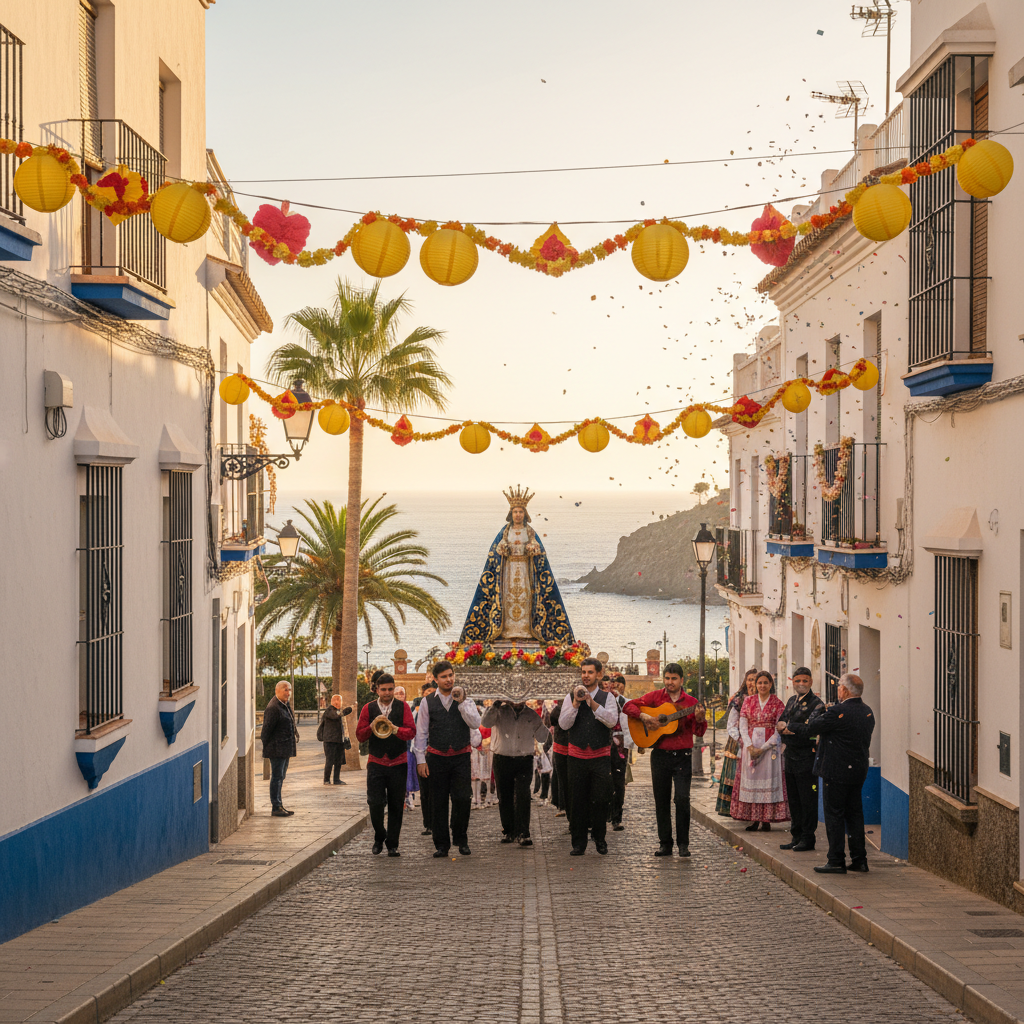
Discover the deep-rooted traditions and warm community spirit that define the annual celebration of San Juan de Dios in Nerja. Experience the essence of this unique spring event firsthand.
Every March, the streets of Nerja transform, exuding a special atmosphere. It’s the time for the celebration of San Juan de Dios, the patron saint. This event is more than just a religious festival; it’s a deeply rooted cultural experience that touches the soul of the community. Having witnessed the preparations and celebrations since childhood, I can assure you it offers an authentic insight into local life here on the Costa del Sol.
### Historical Background and Significance The figure of San Juan de Dios, John of God, holds great importance for the residents of Nerja. He was a Portuguese monk renowned for his tireless devotion to the sick and needy. His humanitarian work in the 16th century led to the founding of the Hospitaller Order of Saint John of God, which manages hospitals and care institutions worldwide. In Nerja, his legacy is cherished, particularly because he symbolizes charity and compassion, values deeply embedded in Andalusian culture. This March festival, following Carnival and preceding the more somber Semana Santa, offers a moment of reflection and community spirit. It's an opportunity to embrace both the religious and social aspects of regional identity.
### The Preparations: A Glimpse Behind the Scenes The run-up to the San Juan de Dios festival begins weeks in advance. It’s a collective effort involving the entire community. I’ve often seen how locals, from young to old, dedicate themselves to organizing every detail. This includes: - Decorations: Streets and squares are adorned with flowers, flags, and religious symbols. This task is often carried out by volunteers, with families working together to create beautiful arrangements. - Attire: Many participants wear traditional clothing, especially during the procession. The boys in the procession, often young members of the brotherhood, dress in special regalia. For these young boys, this is an important step in their participation in the community and the preservation of traditions. - Music: Local music groups and bands rehearse intensively to accompany the procession musically. The sounds of drums and trumpets echo through the narrow streets. As is common in Spain, music plays a central role in religious celebrations and adds to the emotional depth of the event. The atmosphere during this period is palpable: anticipation, pride, and a deep sense of belonging fill the air. It’s a joy to see how the community keeps its heritage alive in this way.
### The Day of Celebration: Procession and Festivities The actual feast day of San Juan de Dios is the highlight. The day revolves around an impressive procession. The procession in Nerja is unique because it features young boys centrally. I’ve stood along the route countless times and witnessed the devotion on their faces as they carry the image of the saint through the streets. It’s a tradition passed down through generations, and the pride of parents and grandparents along the sidelines is unmistakable. Children generally play a significant role in Spanish traditions, and carrying the float is the first major step they take in these traditions. - The procession follows a fixed route through Nerja’s historic center. It’s advisable to find a good spot early, especially if you want to be near the start or finish. The route is often announced via local channels or the municipal website. The procession is beautiful to behold, with its decorated float, flowers, burning candles, and moving music. It’s a meditative experience, where the rhythm of the steps and the sounds of the band create a serene atmosphere. However, after the procession, the mood gradually shifts into a festive gathering. Families and friends come together for a shared ‘romería’ or a picnic, often outdoors. It’s an opportunity to enjoy local delicacies and traditional dishes. Think of `migas`, `tortilla de patatas`, or `pinchitos`, often prepared over an open fire. The air fills with the smell of grilled meat and the cheerful sounds of flamenco and Sevillanas music. The ‘romería’ is the highlight of the celebration for residents, a moment of relaxation and enjoyment after the solemn procession. I vividly recall how, during my youth, on the way home, we shared leftover `tortilla` with onlookers – a true sign of Andalusian hospitality and community spirit.
### Tips for Visitors If you plan to experience this unique celebration of San Juan de Dios, here are some practical tips I can offer: - Accommodation: As Nerja already enjoys pleasant temperatures in March, with the spring sun warming everything, it’s a popular time for tourists. Book your accommodation well in advance. Many people flock to the Costa del Sol to soak up the sun. There are plenty of options, from sea-view apartments to charming Bed & Breakfasts in the center. Early booking is often a smart move, especially this season. - Transport: Most festivities are within walking distance in Nerja’s center. If you’re coming from outside, park your car on the outskirts of town and walk the rest of the way. Public transport is also an option. - Clothing: Wear comfortable shoes, as you’ll likely do a lot of walking, especially during the procession or if you join the ‘romería’. For the evenings, a light jacket or cardigan is advisable, as temperatures can still drop. - Local Eateries: Try the local specialties! Besides the traditional dishes you might find during the ‘romería’, Nerja boasts a wide range of excellent restaurants and tapas bars. Ask locals for recommendations; they know the best spots. - Golf and Padel: If you plan to stay longer, there are also ample opportunities for sports activities. There are several golf courses near Nerja, and padel is gaining immense popularity on the Costa del Sol. Combining relaxation and sports is easily achievable here, especially in this pleasant season.
### Nerja Beyond the Festivities Beyond the celebration of San Juan de Dios, Nerja has much more to offer, especially in spring. Spring is an ideal time to explore the surroundings: - Caves of Nerja: These world-famous caves are an absolute must-see. You can spend hours admiring the spectacular stalactites and stalagmites. These natural wonders are a must-see for any visitor and offer a cooling escape on warmer days. The history of the caves spans thousands of years, and the prehistoric artworks found there are among the oldest in the world. - Balcón de Europa: This iconic viewpoint offers impressive panoramic views of the Mediterranean Sea and the surrounding coastline. It’s a perfect spot for an evening stroll or to enjoy the sunset. Here, you'll also find many street performers and artists who add to the lively atmosphere. It’s a central meeting point for both locals and tourists. - Beaches and Coves: Nerja is known for its beautiful beaches and hidden coves. In March, the water might still be a bit chilly for extensive swimming, but the tranquility and sunshine make it ideal for relaxing. Burriana, Calahonda, and Maro are some favorite spots for both locals and visitors. - Hiking: The nature around Nerja is remarkable, with the Sierra de Almijara mountains directly bordering the coast. There are numerous hiking trails for every level, from easy coastal paths to challenging mountain treks. The `Río Chillar` walk is one of the most popular, where you walk through the water, surrounded by lush nature. It’s worth inquiring locally about the best routes that suit your fitness level. The festivities surrounding San Juan de Dios are a perfect opportunity to experience the local culture in Nerja. It’s a celebration where tradition and community converge, offering visitors an authentic glimpse into life in this part of Andalusia. Far beyond just the procession, this festival symbolizes the soul of Nerja, with its residents cherishing and sharing their heritage and values. If you have more specific questions about opening hours or any program changes, you can obtain the latest information via the chatbot Maria. Enjoy your stay and immerse yourself in the Andalusian spring!