Diving and snorkeling near Nerja
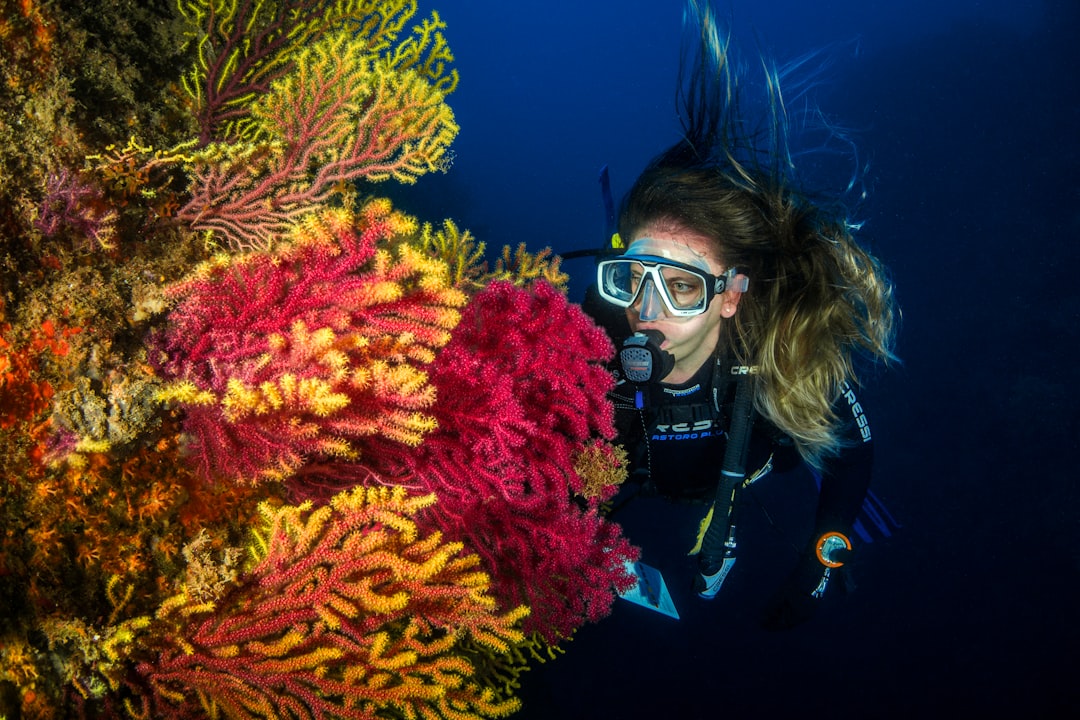
The underwater world around Nerja and Torrox Costa is surprisingly beautiful. As a diver or snorkeller, you'll find clear water and rich flora and fauna here. Henry shares his favourite spots and practical tips.
It's been a while, but the August heat drew me back to the coast. With the sea consistently hovering around 24-25 degrees, and the midday sun best avoided, jumping into the water here is such a relief. You're active, and the underwater views are often more surprising than you'd think.
Nerja's underwater world
If you walk around here, especially on the beaches towards Maro, you'll immediately see how rugged the coastline is. Cliffs, small coves, rocks jutting into the sea; that automatically means lots of beauty underwater too. This stretch of coast is a protected natural area, the 'Paraje Natural Acantilados de Maro-Cerro Gordo', and there's a good reason for it. It's an oasis for underwater life, with clear water and diverse species of fish and plants. Where the rocks drop steeply into the sea, a varied habitat forms for octopuses, moray eels, and all sorts of colorful fish. You really don't need to be a professional diver to enjoy this. A snorkel set and a bit of swimming experience are often enough to catch a glimpse of the local fauna. It's a totally different world from the hustle and bustle on the beach.
Good spots for snorkeling
For snorkeling, I've got a few favorite spots.
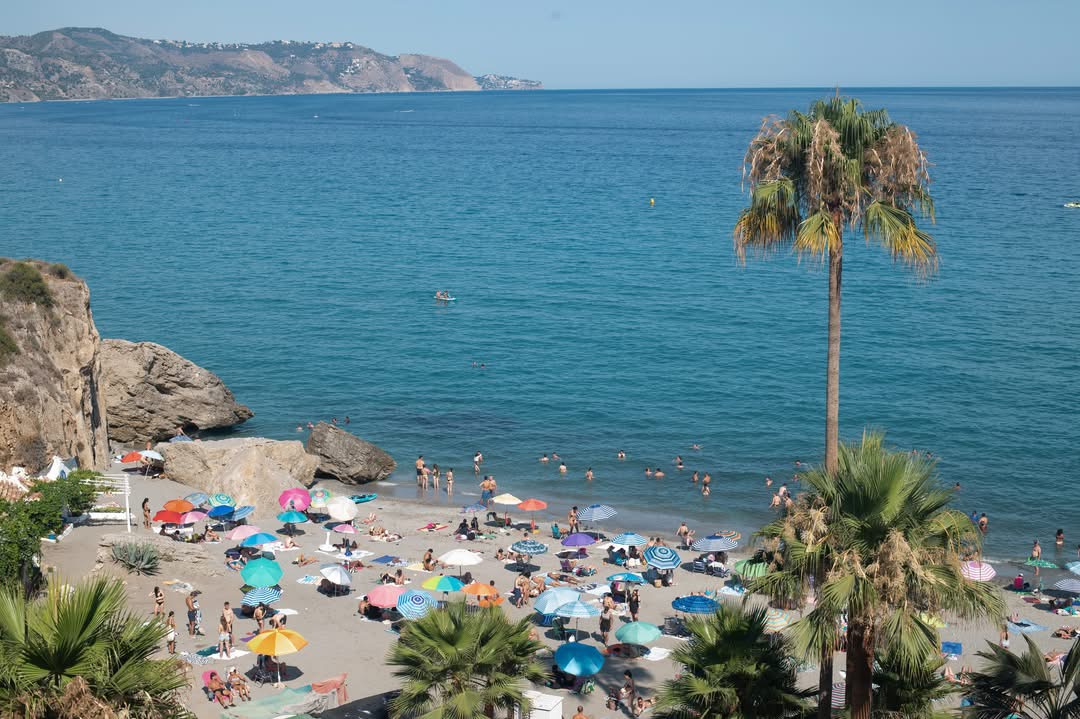
Playa Maro, just past Nerja, is top of the list. The water there's often extremely clear and the rocks create plenty of hiding places for fish. You can swim straight out from the bay along the rocks, where the water is sometimes ten meters deep, but also has shallower parts where you can easily see the bottom. Another good option is Playa de Burriana, on the east side of Nerja. Go into the water on the right side of the beach, towards the rocks. The seabed there's much more interesting than in the middle of the bay. You'll often see schools of small fish and, with a bit of luck, even a starfish on the bottom. It's an easy spot for the whole family to snorkel, because the beach slopes gently.
Dive schools and equipment
If you're more serious about diving, there are a couple of dive schools in Nerja that offer excursions. They often go to the protected areas around Maro and Cerro Gordo, where you'll find the truly impressive underwater caves and deeper reefs. You can usually hire your diving equipment there too, if you haven't brought your own. It's handy to book in advance, especially in the summer months because it often gets full. The local dive instructors know the best spots and the currents, which is definitely safer. They'll take you to places where you've got the best chance of spotting barracudas or even mantas, though that's no guarantee, of course. For beginners, they often offer introductory dives too, a good way to experience the underwater world for the first time without doing a whole course straight away.
A different view of the coast
What's great about diving and snorkeling here is that you see the coast from a whole different angle. The cliffs and coves you normally admire from land reveal an equally fascinating landscape underwater. I've realized you really don't have to travel far to see rich underwater flora and fauna here. The water's transparency is exceptionally good too, especially if there haven't been any storms. It's an activity you can easily combine with a beach day. While one person's sunbathing, the other can dive into the water for a bit. Always make sure you've got some sun protection, even when you're in the water, because it's merciless. A UV shirt can be a lifesaver and also protects you from minor scrapes from rocks.
The best time for a dive
Mornings are often the best time to get in the water. The sea's usually calmest then and the underwater visibility is optimal. Towards the afternoon, when the wind picks up and there are more boats on the water, the visibility can decrease a bit. Plus, the sun's at its strongest then, and a bit of shade on the water or on the shore is much nicer. Another advantage of early morning is that it's also quieter on the beaches and at the dive spots. You've got more space to yourself and the chance to enjoy the underwater tranquility undisturbed. You'll only notice the high season crowds later in the day, when you're already sitting on a terrace with a cup of coffee.
Hidden coves and caves
If you rent a kayak or paddleboard, you can really go looking for the more secluded spots. Between Maro and Cerro Gordo, there are countless small, hidden coves only accessible from the water. There, you can snorkel in peace and discover the underwater world further away from the crowds. Sometimes you'll even find small caves you can swim into with a snorkel set, a whole experience in itself. These are often the places where you encounter the biggest surprises, like an unexpected school of fish or a colorful sea sponge you don't see elsewhere. It does require a bit more effort to get there, but the reward is often well worth it. It's worth bringing a waterproof bag for your stuff, because those coves aren't always equipped with facilities.
Frequently asked questions
Which beaches are best for snorkeling?
Playa Maro is known for its clear water and rocky seabed, making it ideal for snorkelers. Also, on the right side of Playa de Burriana, towards the rocks, you'll find interesting spots. These beaches offer easy access to the underwater world with many fish species and seagrass.
Do I need to take a diving course to dive here?
No, for snorkeling you only need a mask, snorkel, and fins. For diving, you can often book introductory dives at local dive schools. You'll dive under the supervision of an instructor to a limited depth, without having to do a full course right away.
Are there dive schools in Nerja that rent equipment?
Yes, in Nerja there are several dive schools that rent out both diving excursions and the necessary equipment. It's advisable to book in advance during high season, both for equipment and for any dive trips. They know the best spots in the protected natural area.
Is the Río Chillar still open for walking and swimming?
No, the Río Chillar has been officially closed to the public since August due to fire risk and overcrowding, especially the middle and upper reaches. Access can lead to a fine. The authorities monitor the situation daily to protect the natural environment from further damage. Diving and snorkeling really add another dimension to the coast. Just do it. You'll see more than you think.