The early history of Nerja
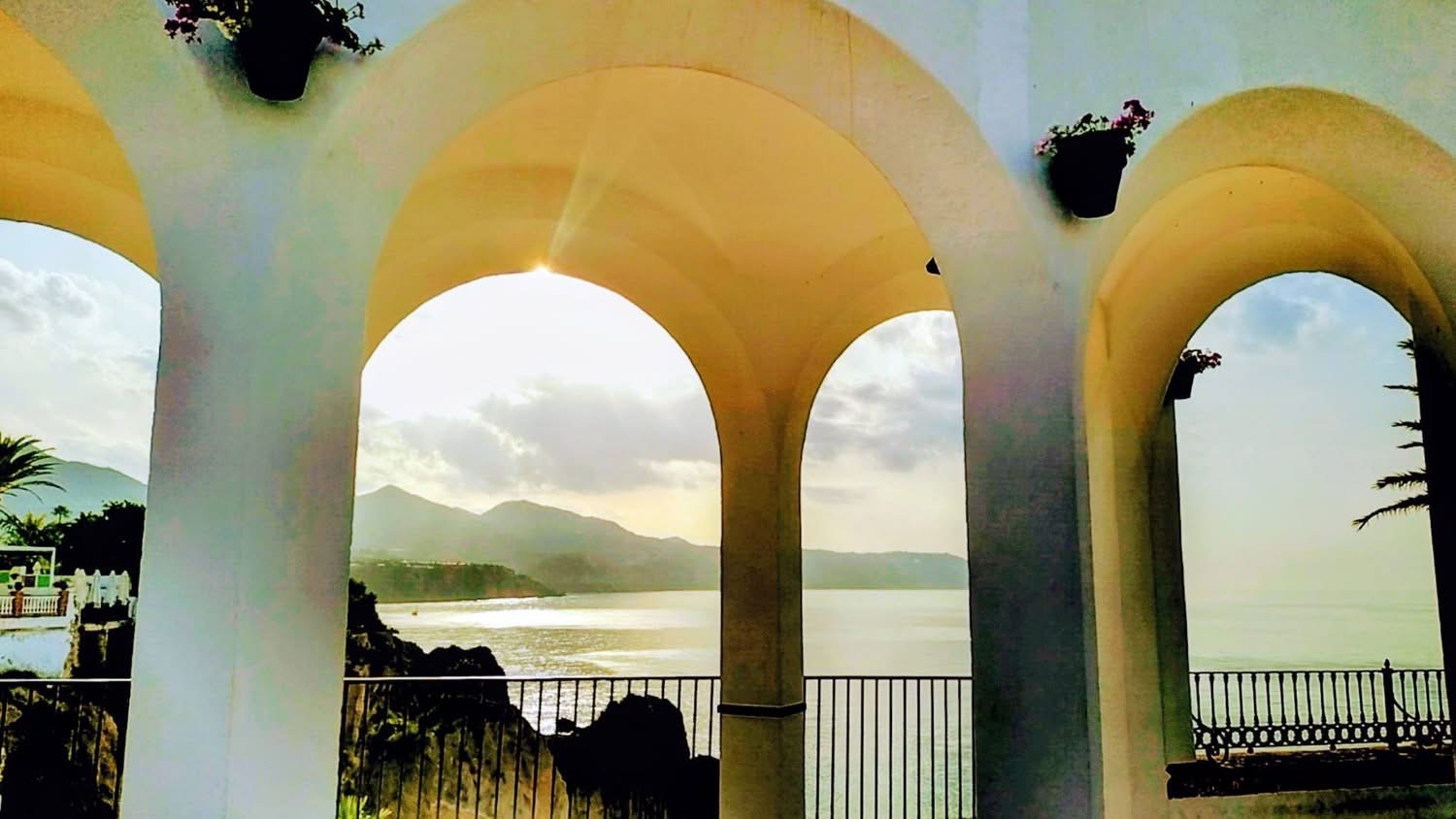
Discover the prehistoric settlements around the Maro cliffs and the rudimentary communities that emerged here thousands of years ago.
The very first Nerja on the Maro cliffs
Walking around the Maro cliffs, near Nerja, you can really imagine how the very first inhabitants arrived here. The landscape, with its steep rock faces and small coves, offered both shelter and access to the sea. Nerja’s history goes back much further than most visitors realize. Long before the Romans or Moors, people settled here. Archaeological finds show that the area around the Maro cliffs was already inhabited in prehistoric times. These early inhabitants were hunter-gatherers who benefited from the rich natural resources. The presence of freshwater springs and the abundance of fish and game made this an attractive location. The Maro cliffs provided natural caves that served as shelters. These caves, often hidden from view, were crucial for their survival and have remained important archaeological sites over the years. Over the years, various remains confirming prehistoric presence have been found around the Maro cliffs. These finds, ranging from tools to pottery shards, give a glimpse into the daily life of these early communities. It’s fascinating to think that the feet that walked these paths thousands of years ago weren’t much different from ours today. Though I don’t have a car myself and usually take the bus or walk, some of these spots around the Maro cliffs are easily accessible on foot. A walk through this area offers a unique chance to connect with a distant past. It’s a reminder of the unbroken line of human presence in this beautiful corner of Andalusia. The Maro cliffs themselves are an impressive natural monument. Just think of the first people who arrived here and saw this impressive landscape for the first time. It’s a place that’s not only visually spectacular but also carries a deep historical echo of the very first inhabitants of this piece of the Costa del Sol.
The Roman peninsula Detunda of Nerja
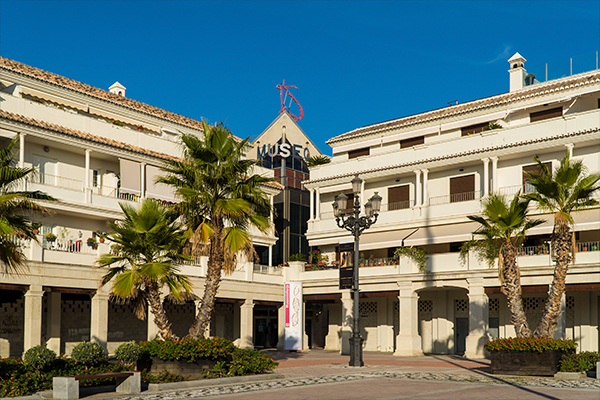
Whenever you delve into Nerja's history, you'll soon come across the Romans. This region, long before the name Nerja existed, had a strategic location on the Mediterranean Sea. The Roman peninsula Detunda was then the forerunner of the current settlement. This was an important place for trade and traffic in antiquity. It's said that the Romans clearly left their marks here. They know the spots that aren't on any map. These archaeological finds provide insight into the lifestyle and economy of that time. The area around the Maro cliffs was already important in Roman times. Ships could dock here and goods were traded. The present natural resources and fertile soil made it an attractive location for habitation and agriculture. This laid the foundation for the development of the later town of Nerja. The Roman influence isn't always directly visible in today's streetscape, but it forms an important foundation. Parts of the infrastructure, like aqueducts, can still show traces of Roman building methods. This shows how advanced their techniques already were, thousands of years ago. For those interested in the past, it's worth looking beyond just the famous attractions. The area around Nerja is full of hints to this rich history. Some of these places are only accessible on foot, which makes searching for Roman remains extra adventurous. I don't have a car myself and usually take the bus or walk. That gives me the chance to discover many places like this.
Nerja under Moorish rule and the Balcón de Europa
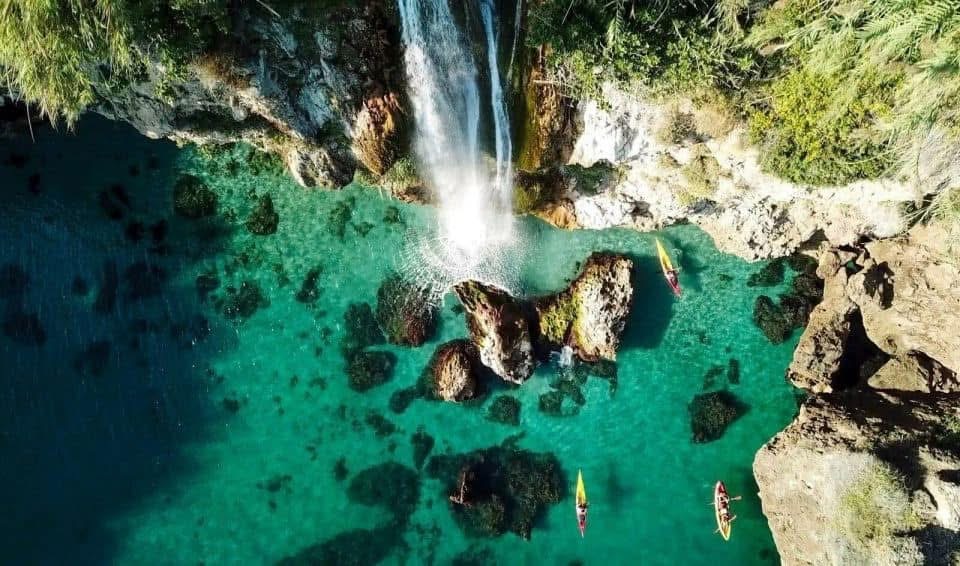
With the arrival of the Moors in 711, the landscape of what would later be called Nerja changed. This period brought a different culture and new structures. The coastal location was strategic, especially for overseas connections and defense. The Moors built fortifications and watchtowers along the coast. These defenses were essential to repel attacks from the sea. There was a fortified castle on the rock that is now the Balcón de Europa, a crucial point for both the view and the protection of the settlement behind it. This infrastructure contributed to the development of the region. The name Nerja itself comes from the Arabic 'Narixa', which means 'rich spring'. This refers to the presence of abundant fresh water, which was crucial for agriculture and the population. The Moors also introduced new crops and irrigation techniques that further increased the fertility of the region. You can still see many of these structures, though sometimes hidden, in the landscape. The castle on the Balcón de Europa served as an impregnable fortress. From this high position, you had a panoramic view over the Mediterranean Sea. This made early detection of enemy ships possible. The strategic value of this place has been recognized throughout the centuries, even after the Moors left. The current Balcón de Europa, an iconic viewpoint, only got its name later. It was King Alfonso XII who, after a visit in 1885 to inspect earthquake damage, gave the place the name “Balcón de Europa”. This was because it felt like you could see 'the balcony of Europe' from here, looking out over the sea. Today, the Balcón de Europa symbolizes Nerja’s rich history. You can walk there and imagine how the guards once stood here, looking out over the horizon. The remnants of Moorish influence are still palpable in the city's architecture and culture.
The Reconquista of Nerja and the Nerja cave
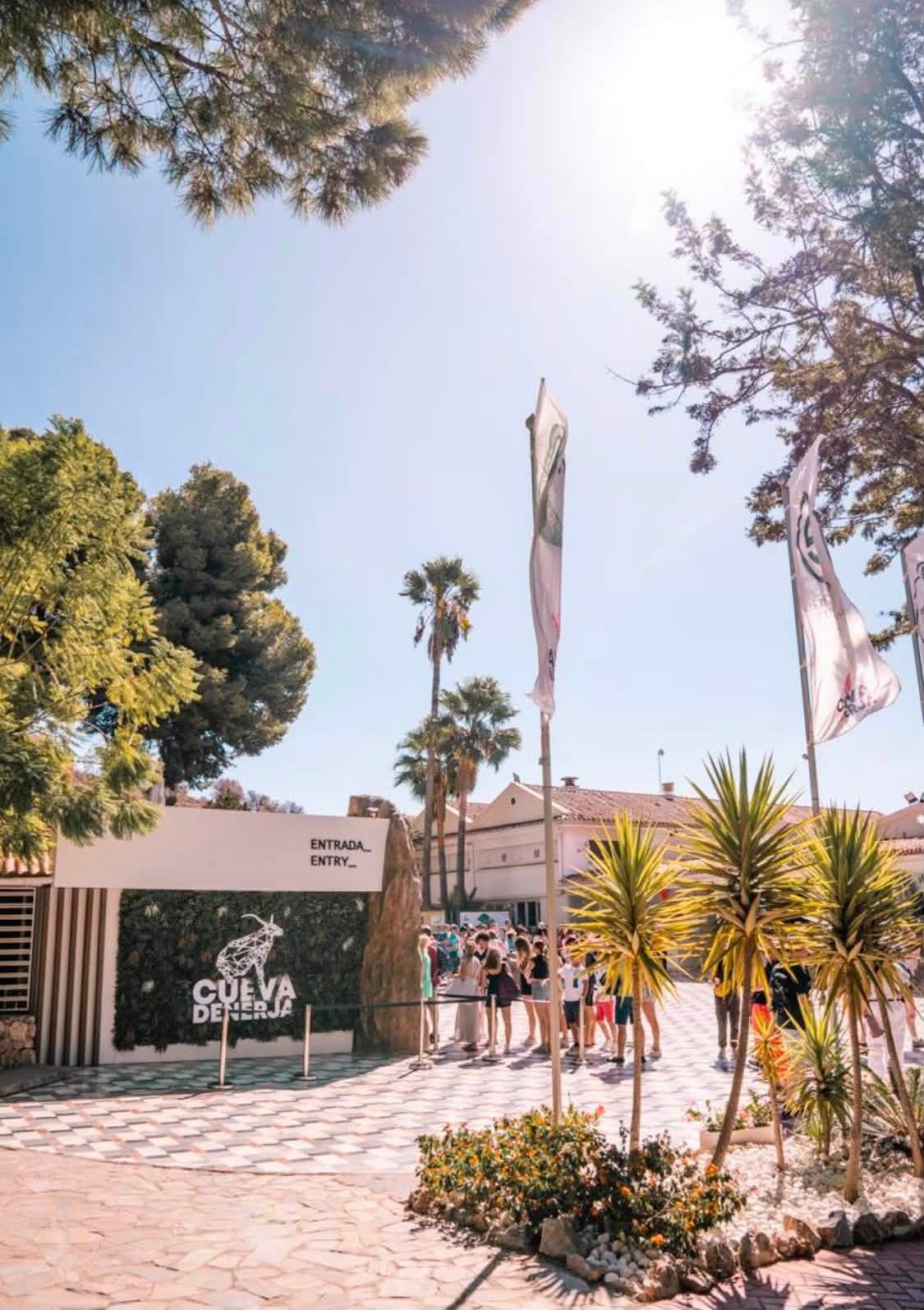
Nerja's history took another turn with the Reconquista. In 1487, Castilian troops arrived and conquered Nerja, along with other towns in the region. After centuries of Moorish influence, a new period began for the town, with Christian traditions and architecture making their entrance. The aftermath of the Reconquista brought drastic changes. The Christian rulers transformed the town and the surrounding areas. Despite these changes, many traces of the Moorish era remained visible and still form part of Nerja's identity. Further east, near Maro, lies a place discovered much later, but whose history goes back a long way. The Nerja cave, also known as Cueva de Nerja, is an important archaeological and geological wonder. These caves were officially discovered in 1959 by a group of local youngsters. Inside the Cueva de Nerja, you can see impressive stalactites and stalagmites. Recent studies have shown that the caves house some of the oldest artworks in the world, which further increases their historical value. It's fascinating to think that this natural cathedral has existed for thousands of years, untouched by the human history that unfolded above ground. These caves aren't just a tourist attraction; they also tell a story of prehistoric habitation. The discovery of human remains, tools, and cave drawings has taught us a lot about the early inhabitants of this region. They offer a unique window into an era long before the Romans or Moors set foot here. It's a fusion of history: from the prehistoric art in the caves to the medieval Reconquista that forever changed Nerja's landscape. Both aspects contribute to the rich and layered history of this special place on the Costa del Sol, which you can discover for yourself when you're here.
The sugar cane plantations of Maro and Nerja's economy
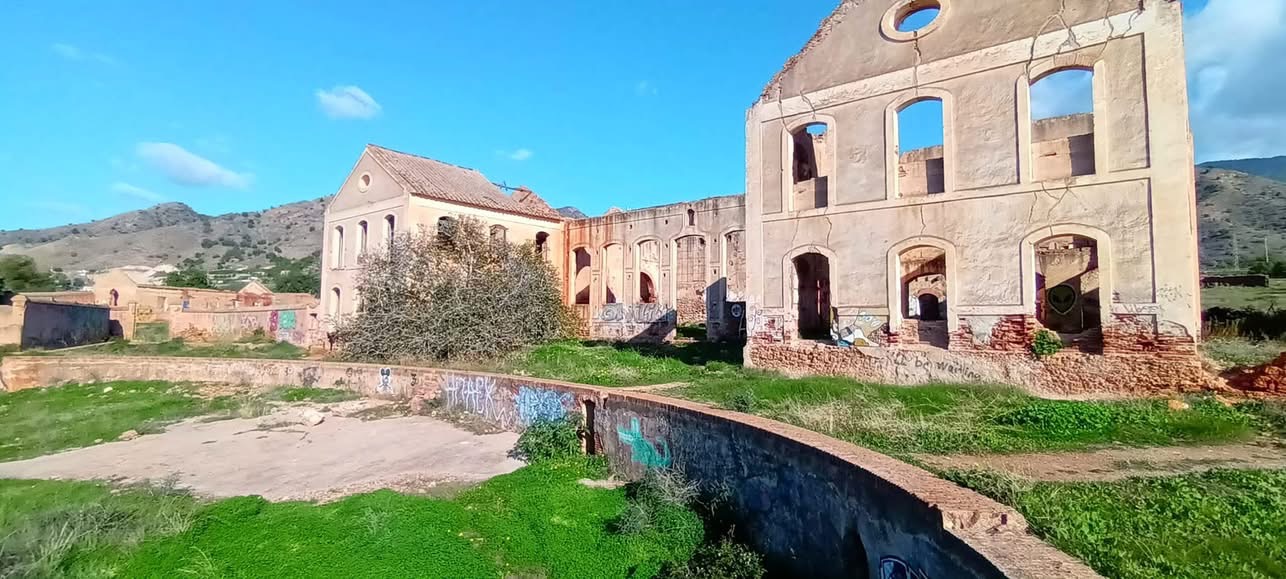
Nerja's history is inextricably linked to agriculture. From the fifteenth century onwards, the cultivation of sugar cane began to play an important role in the region, especially in Maro, then a separate village but now part of Nerja. The productivity of these plantations contributed greatly to the prosperity of the region and attracted many people. The sugar cane plantations in Maro thus became an engine for the local economy. The impact of these agricultural activities is still visible in the landscape. Ruins of old sugar factories and irrigation systems testify to an era when sugar cane was the main source of income. For centuries, these plantations dominated daily life and the social structure in the area around Nerja and Maro. The intensive cultivation of sugar cane demanded a lot from the land and the people. Seasonal work and production on the plantations dictated the rhythm of the community. It was a period of hard work, but also of economic prosperity for those who benefited from the sugar trade. The development of this industry helped shape the identity of Nerja and its surroundings. Changes in the world market and the rise of other sugar-producing regions eventually led to the disappearance of the sugar cane plantations. What remains are the stories and architectural remnants that remind us of this important economic period. This history is an essential part of understanding the current culture and development of this coastal strip. A boat excursion along the coastline offers a different perspective on the coast and how the land has been shaped by humans over the centuries. With a bit of luck, you'll spot dolphins during such a trip.