Discovering el acebuchal in axarquia
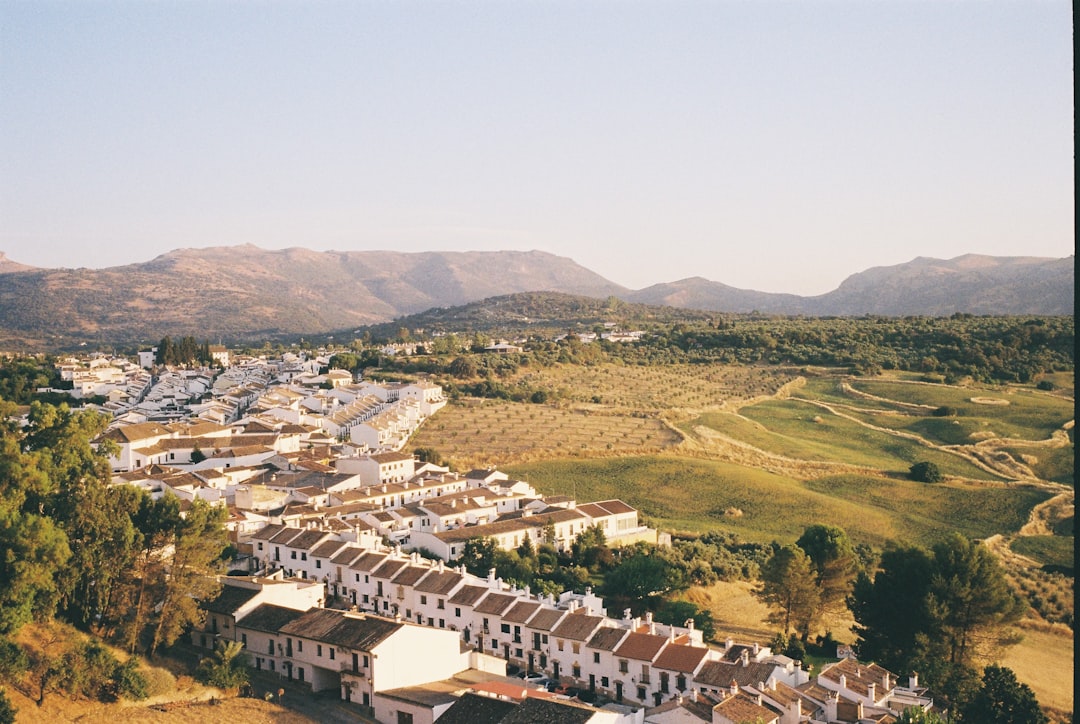
Step back in time in El Acebuchal, a 'lost village' brought back to life after decades of abandonment. Experience the unique atmosphere of this lesser-known spot in the Sierras de Tejeda, Almijara y Alhama Natural Park.

Discovering the Hidden Village of El Acebuchal
Honestly, I was a bit skeptical when I first heard about El Acebuchal, the 'lost village' in the mountains. I've been driving around here quite a bit and thought I knew most of the special spots. Still, that morning I got in the car, looking for this promised land of peace and history. From Nerja, it's about a 40-minute drive, with the first half on the motorway and then a winding mountain road. Keep an eye out for the turn-off to El Acebuchal, because it's pretty modest. The last bit, about 2 kilometers, is an unpaved road. No problem for a normal car, mind you, but it can be dusty. You can park on the side once the buildings start, about forty meters before the 'official' entrance.
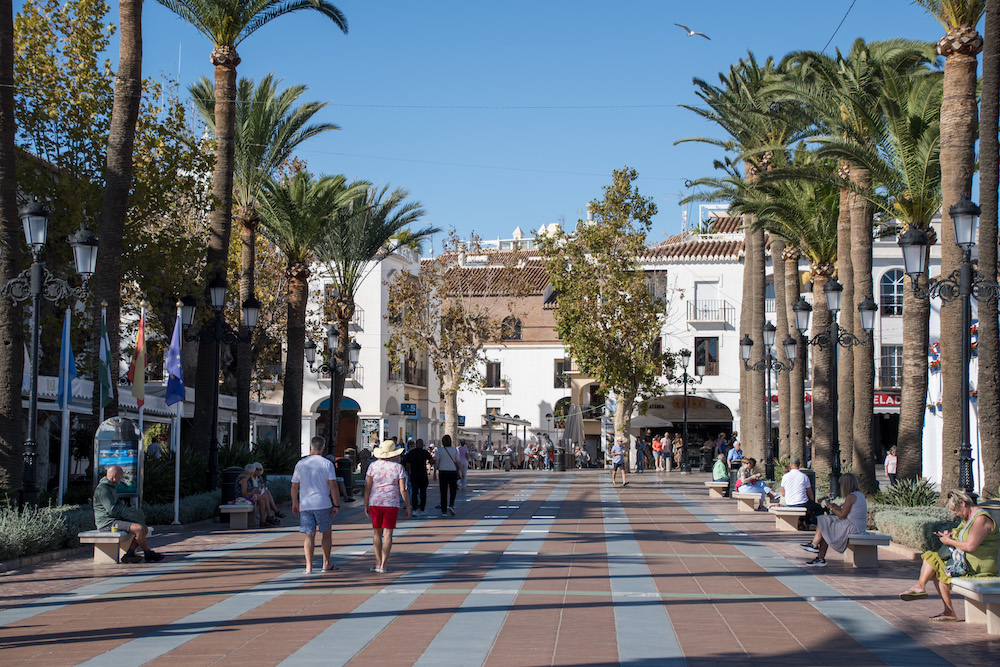
The village itself is right in the middle of the Sierras de Tejeda, Almijara y Alhama natural park and consists of a collection of whitewashed houses, which stand out beautifully against the green mountains. The history of El Acebuchal is honestly fascinating. It was abandoned during the Spanish Civil War and remained a ghost village for decades until the original inhabitants and their descendants rebuilt it in the early 21st century. You really feel that history when you walk through the narrow streets; every house tells a story. There's one restaurant, called El Acebuchal, run by the family who were one of the driving forces behind the rebuilding. The specialty is wild stew, like deer or boar. I've tried the deer stew and it's really worth it — hearty, full of flavor, and a perfect meal after a hike in the mountains. Inside, it's all rustic charm, with old photos and artifacts that illustrate the village's history. Outside, you're lovely and seated on the terrace, with the scent of rosemary all around.
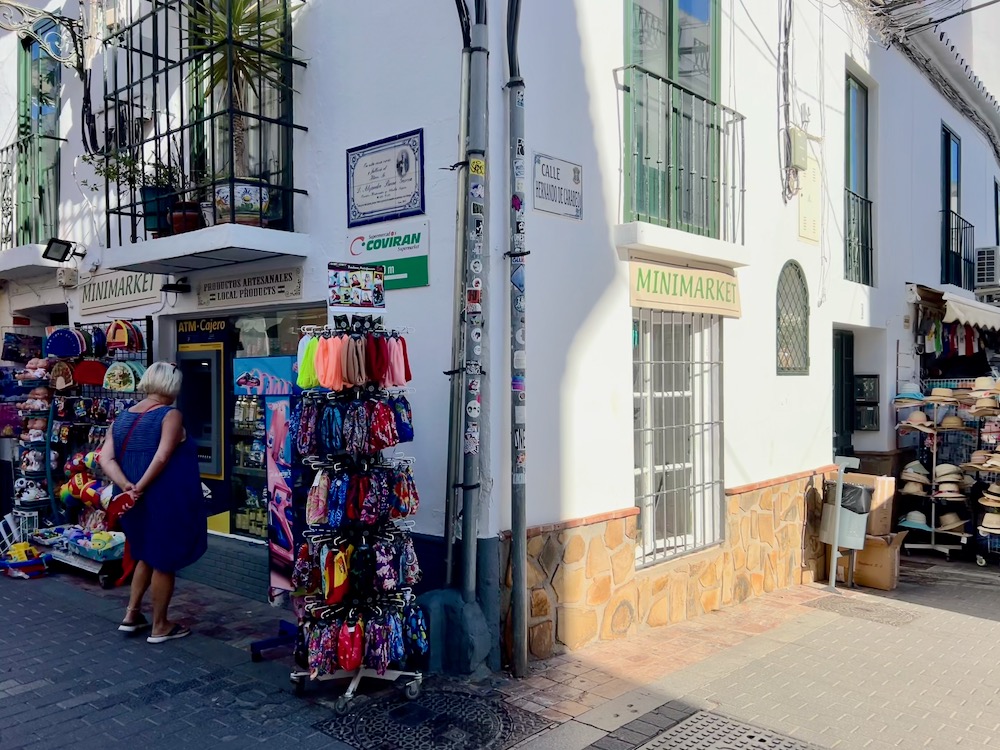
Besides the restaurant, there's a small shop where you can buy local products, like honey, olive oil, and herbs. Nice to take something home. What I especially recommend is to take one of the hiking trails after lunch or after wandering through the village. Several routes start from the village, varying in length and difficulty. That's the best way to really soak up the surroundings and experience the silence. Do remember: take plenty of water and wear sturdy shoes. El Acebuchal is a place that truly surprises you and shows you a completely different part of the Axarquía than the busy coast.
Hiking Through the Río de La Cueva Gorge Near Frigiliana
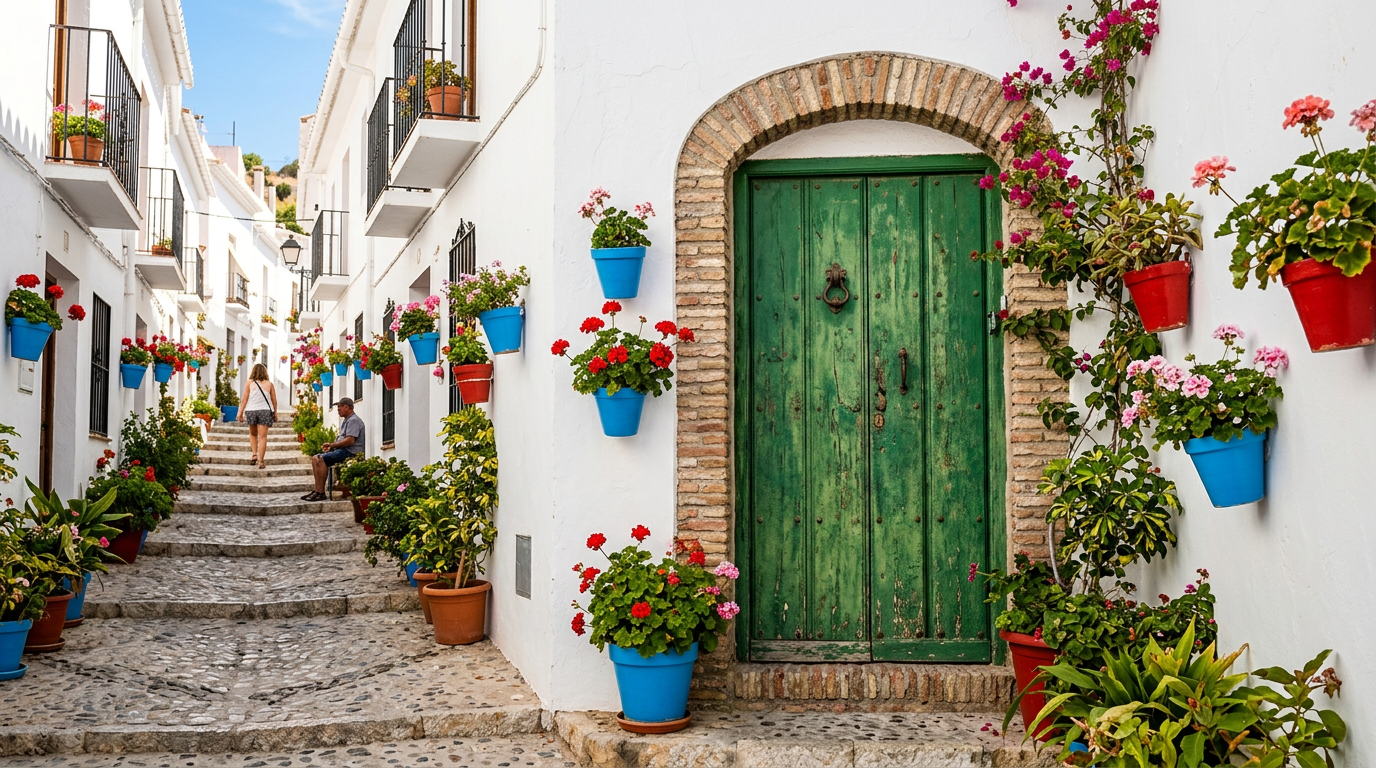
After a solid meal in El Acebuchal, it's a good idea to stretch your legs. Near Frigiliana, one of Andalusia's most beautiful white villages, lies the Río de La Cueva. Many people walk the popular Chillar river, but the Río de La Cueva is less crowded and offers a similar experience, especially in spring. To start this hike, you park your car at the Fábrica de Luz car park. You follow the wide, unpaved road uphill. After about a kilometer, you'll come to a fork. Turn left here onto the path that descends towards the riverbed. You'll quickly notice that the vegetation gets denser and the temperature is more pleasant. The path is fairly passable, but do wear sturdy shoes that can get wet. You'll regularly walk through shallow water here, especially in spring. The trickling sounds of the water are all around you. The hike through the gorge isn't a set route with signs, but more of an adventure through the riverbed. About a kilometer and a half further into the gorge, after some scrambling over rocks and through the water, you'll reach an impressive waterfall. This is a good spot for a break. The detour to get there isn't very long and is definitely worth it. Be aware: in spring, the water can be higher after heavy rainfall, which makes the trip a bit more challenging. Overall, this route is doable for most people with reasonable fitness. Take plenty of water and some snacks, if you like, because you won't encounter any facilities along the way. For the return trip, you follow the same route. Allow about two to three hours for the whole trek, depending on how often you stop for photos or to enjoy the scenery.
The Taste of Locally Baked Bread in Comares
After the adrenaline of the Río de La Cueva, Comares is a nice change of pace. The village, known as the 'balcony of the Axarquía', offers more than just views — the local bakery alone is worth the trip. This isn't some tourist trap with pre-fab rolls; you'll find artisan work here. Walk through the narrow, winding streets of Comares to the bakery. It's quite small and looks modest, but the smell will guide you. Ask for the "pan de Comares," a sturdy, round bread that's been baked here for generations in the same way. It's a wholemeal bread with a crispy crust and soft crumb. Here you can also buy "roscos de vino," biscuits made with a hint of local wine. Perfect with coffee later in the day. Take the bread and the roscos to one of the viewpoints, for example near the castle. From there, you'll have panoramic views over the mountains and valleys. You won't just taste the bread, you'll really experience it. Don't expect a fancy picnic spot, but a bench or a wall to sit on and enjoy. At the bakery itself, you can often see how the bread's baked in traditional wood-fired ovens. Feel free to ask if you can have a look. The people in Comares are friendly and proud of their craft. It's a simple pleasure, but an authentic experience you won't soon forget. Here you're eating a piece of history. A lunch with this bread, some local cheese and olives you buy in a village shop, is highly recommended. For the cheese, go to the "tienda de ultramarinos" — a small supermarket — on the main street. Specifically ask for a local sheep's cheese ("queso de oveja"). The combination of the fresh, hearty bread and the salty cheese is a local delight.
Olive Oil Tasting in Pizarra
If after all that adventure you're ready for something a bit calmer, then I can recommend a visit to Pizarra. It's a bit further inland, towards Malaga but it's easily reachable from Nerja. The drive takes about forty-five minutes to an hour, depending on how often you stop for the view. Pizarra isn't so much known for its village center – though that's certainly worth a short walk – but for its olive oil. Here you'll find some fantastic haciendas and mills that process the local olives. My favorite place is Finca La Torre. It's located slightly west of Pizarra's center, a few kilometers up in the hills. They produce organic, top-quality olive oil here and have won several international awards. Don't just go for the tasting, but also ask if you can get a tour of the olive grove and the mill. The owner talks with real passion about the process, from harvest to bottling. You'll really learn to appreciate the difference between a good and an exceptional olive oil here. At Finca La Torre, you absolutely must try the Hojiblanca. This is a monovarietal olive oil, meaning it's made from one specific olive variety. The Hojiblanca has a spicy finish and a slightly bitter note, which makes it perfect for salads or drizzling over grilled vegetables. They also have a delicious Arbequina, which is milder and a bit fruitier, ideal for fish dishes, for example, or even over vanilla ice cream (I noticed that, try it!). Another recommendation is Aceites Molisur, located just outside Pizarra on Calle La Raya. This mill is smaller and more traditional. Here you get an insight into the artisanal side of olive oil production. Don't expect extensive tours or polished presentations, but rather an honest and pure experience. The owners are often present themselves and love to talk about the history of their family business. At Molisur, they mainly focus on the Picual olive. This oil is more intense in flavor and has a longer shelf life. Perfect for baking and roasting, or as a base for a hearty gazpacho. Don't forget to take a bottle home, because this oil is a real flavor enhancer you won't easily find back home. The tastings here are often more informal, directly from the tank, which only makes the experience more authentic.
Exploring Moorish History in Vélez-Málaga
After all those mountain villages and nature experiences, I've stayed a bit closer to the coast this past month, but with just as much history. Vélez-Málaga, the capital of the Axarquía, is a city often overlooked by tourists heading straight for the beaches of Torre del Mar or Caleta de Vélez. That's a shame, because the city has a rich Moorish history that you can explore really well. The most striking is the Alcazaba, the old Moorish fortress on top of the hill. Entry's free, which is always a bonus. Besides the Alcazaba, the city itself is also a string of narrow streets, plazas, and churches that were once mosques. Feel free to get a bit lost in them, you'll eventually find your way back to a larger street. A visit to the Hermandad de Nuestro Padre Jesús 'El Rico' is also worthwhile, especially if you're interested in Semana Santa (Holy Week). Even outside that period, the collection of processional statues and clothing gives a good impression of the local traditions. From there, you can walk on to the Palacio del Marqués de Beniel, a well-preserved eighteenth-century palace. Vélez-Málaga offers more than just Moorish history. The city also has a lively local life, with various markets and smaller, authentic tapas bars where prices are still pleasant. I grabbed a terrace on Plaza de las Carmelitas, a central plaza where locals gather. The city, unlike many coastal towns, isn't built for tourism and that's precisely its charm. It's a place where you can taste daily life and learn more about the deep-rooted history of the region. Vélez-Málaga is a welcome change from the busy resorts and an excellent place to experience the Moorish heritage of the Axarquía. Worth it. Just go for it.