Hidden gems around Nerja and the Axarquía
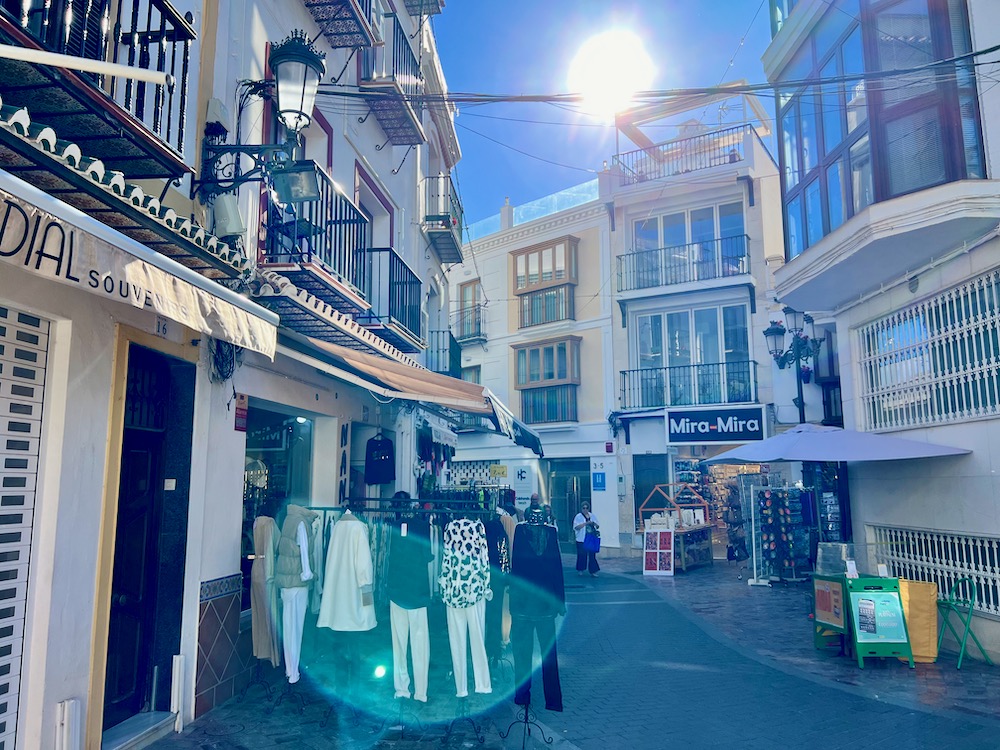
Uncover enchanting, lesser-known spots near Nerja and the Axarquía. From sleepy white villages to spectacular natural wonders.
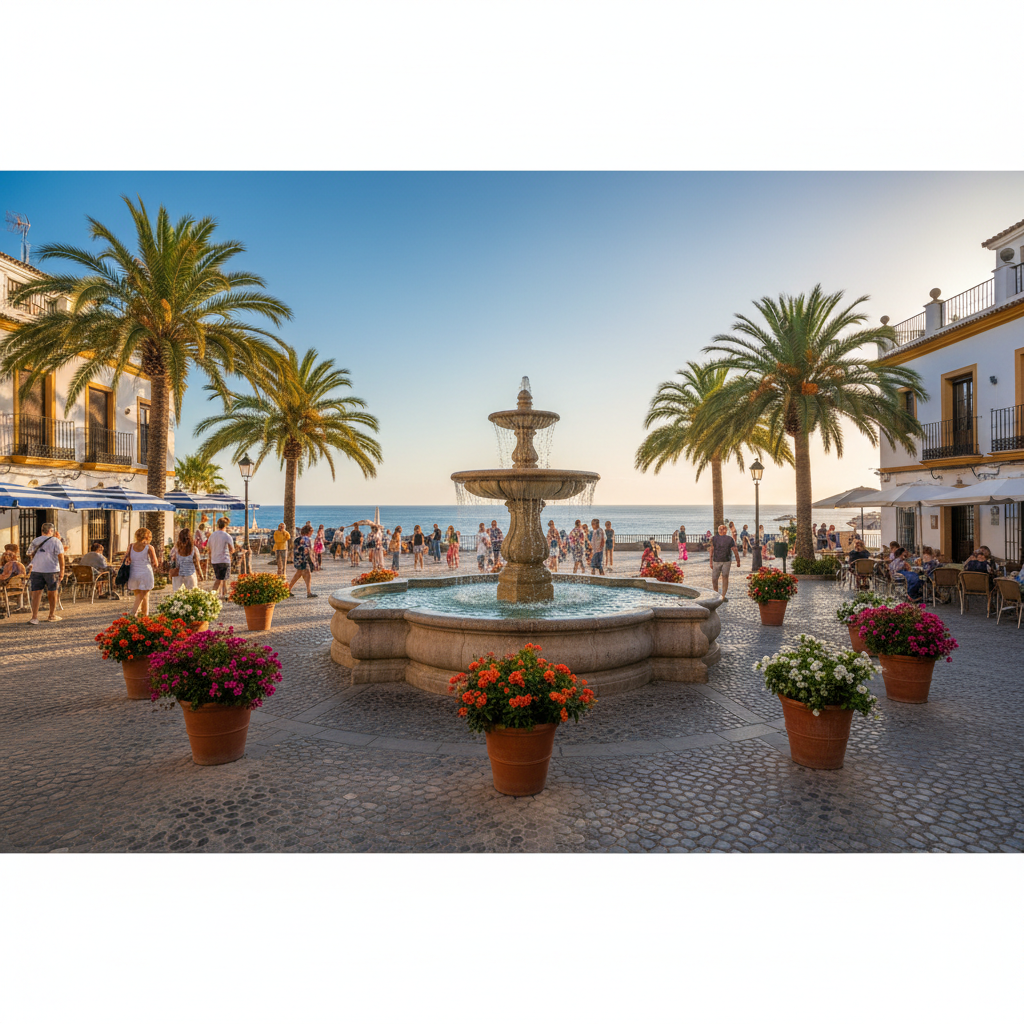
7 Hidden Gems Around Nerja and the Axarquía Tourists Often Miss in
Welcome, fellow travelers and lovers of authentic experiences! As a seasoned travel blogger, I've had the privilege of exploring many corners of the world, but the Costa del Sol, especially the area around Nerja and the Axarquía, continues to amaze me with its unparalleled beauty and hidden treasures. In January , when the winter sun casts a soft glow over the region and the high-season crowds are still far away, this is the perfect time to discover the true soul of Andalusia. Forget the beaten path and let yourself be carried away to places where time seems to stand still and every corner tells a new story. Lace up your hiking boots, because we're diving deep into the Axarquía region to unveil seven breathtaking locations that most tourists unfortunately miss.
Discover the Authentic Beauty of Axarquía from Nerja
East of Málaga and bordering the popular resort town of Nerja, the Axarquía region is a mosaic of mountains, valleys, subtropical plantations, and charming 'pueblos blancos' (white villages). While Nerja itself is a major draw with its Balcón de Europa and famous caves, the real magic often lies just out of sight. From a central and comfortable base like Casa del Olvido, you are perfectly positioned to explore these lesser-known gems. Let's reveal them!
## 1. Canillas de Aceituno: The El Saltillo Hanging Bridge and Río Verde 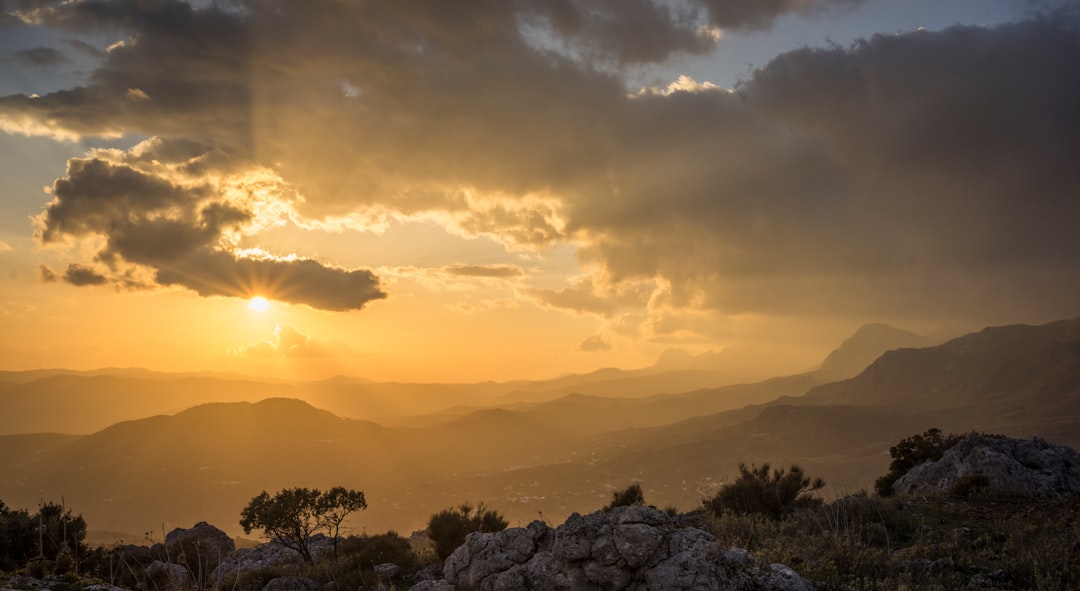 Canillas de Aceituno, a picturesque white village nestled in the heart of the Sierra de Tejeda, is renowned for its recent addition to the network of hiking trails: the sensational El Saltillo hanging bridge. This bridge, one of the longest in Spain, offers breathtaking views over the Río Verde gorge. The hike to it is an adventure in itself, along narrow paths winding through the rugged landscape, with the scent of rosemary and thyme in the air. Once across the bridge, you'll feel like a true explorer. Remember to bring plenty of water and wear sturdy hiking shoes. The best time to visit is in the early morning, when the sun is just peeking over the mountains and temperatures are still pleasant, even in January. After the hike, you can enjoy a hearty 'plato de los montes' (mountain dish) in one of the traditional eateries in the village. It's an experience that boosts adrenaline and immerses you in the rugged splendor of Andalusia.
## 2. Comares: The Balcony of the Axarquía Perched at an impressive 700 meters above sea level, Comares, known as the 'Balcony of the Axarquía', offers panoramic views stretching to the Mediterranean Sea and beyond. The drive up is a winding ascent, but every turn rewards you with increasingly spectacular vistas. Comares is famous for its Moorish heritage, visible in its narrow streets, the ruins of its castle, and the star-shaped mosaics marking the way. Take your time to wander through the village, visit the old church, and enjoy a coffee on a terrace with a view you won't soon forget. It’s also a popular spot for paragliding, so if you're daring, you can admire the landscape from a bird's-eye perspective. Its peaceful atmosphere and rich history make Comares an unforgettable stop.
## 3. Salares: A Mudejar Gem on the Mudejar Route Salares is another beautiful white village, but it stands out for its exceptionally well-preserved Mudejar architecture, making it a significant stop along the 'Ruta Mudéjar'. The streets here are so narrow that cars can barely pass, making it a delight to explore on foot. Wander through history as you pass the 16th-century Moorish minaret of the Santa Ana church, which was once part of a mosque. It's a rare example of the fusion of Islamic and Christian architectural styles so characteristic of this period in Andalusia. Taste the local 'chivo al ajillo' (goat in garlic sauce) in one of the small restaurants. The architectural heritage and serenity of Salares offer a deep dive into the region's cultural melting pot.
## 4. Jardín Botánico de la Axarquía (Maro) 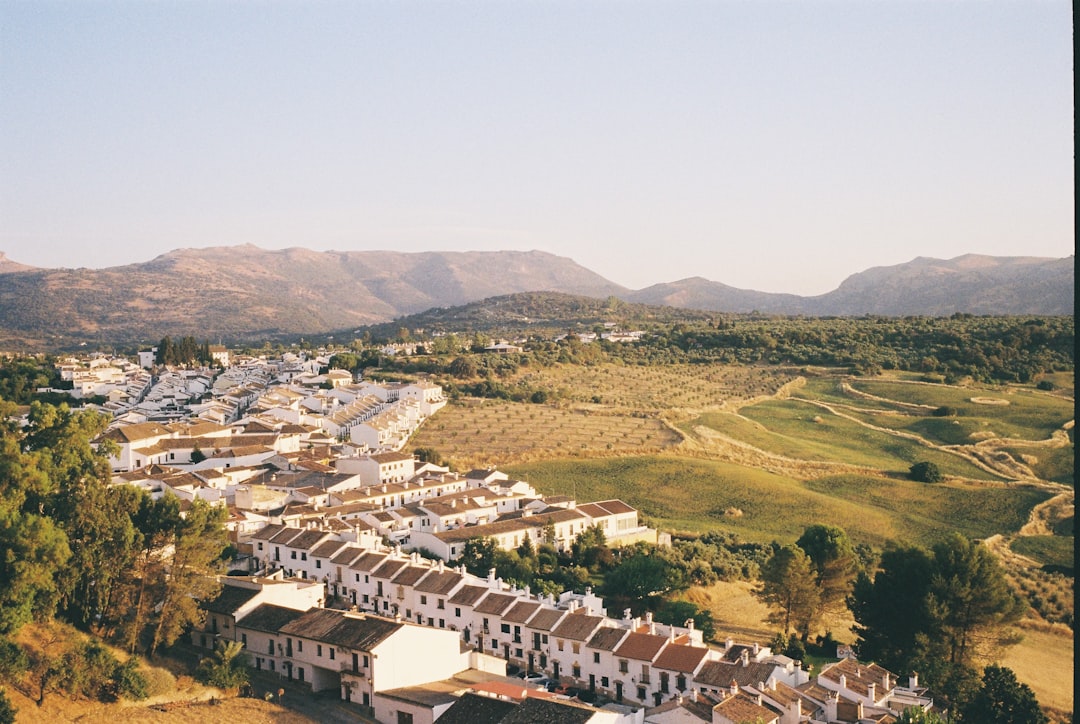 Near the charming coastal town of Maro, known for its pristine beaches and the Eagle Aqueduct, lies a relatively unknown treasure: the Jardín Botánico de la Axarquía. This is more than just a garden; it's a living museum of the region's indigenous flora, perfect for nature lovers. Here you'll find an impressive collection of Mediterranean plants, succulents, and cacti, beautifully arranged with educational signs. The paths are well-maintained and, in addition to the plant splendor, also offer some splendid viewpoints over the Maro coastline. It's the ideal place for a quiet afternoon stroll, to admire the local biodiversity, and to escape the hustle and bustle. Entrance is often free or for a small fee, and the silence, occasionally interrupted by bird song, is truly soothing.
## 5. The Old Town of Vélez-Málaga: Fortress and Churches 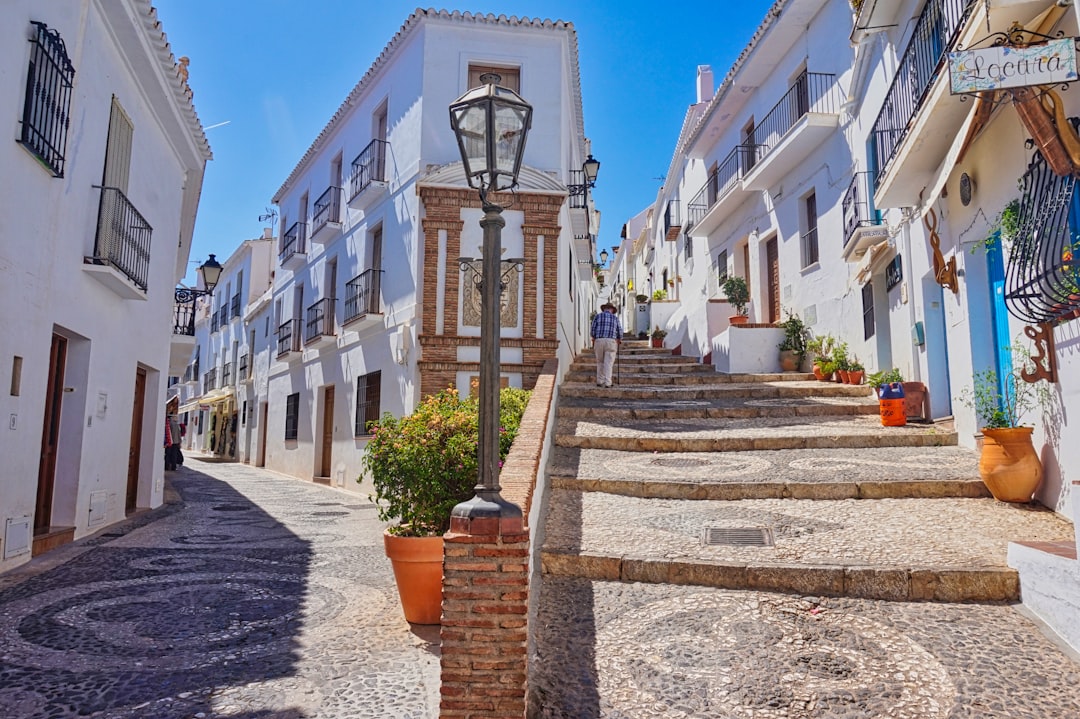 While many tourists head straight to the coast, the historical heart of Vélez-Málaga, the capital of Axarquía, is definitely worth a visit. It’s a city steeped in history, where you can walk through the centuries. The impressive Fortaleza (fortress) atop the hill not only offers fantastic views of the city and the Mediterranean Sea but also a tangible connection to its Moorish past. Wander through the narrow, winding streets of the old quarter, discover the beautiful churches such as the Iglesia de Santa María de la Encarnación and the Ermita de la Virgen de los Remedios, some of which are built on former mosques. The city buzzes with local atmosphere, far from the tourist crowds. Visit the local market to sample fresh produce and enjoy a traditional 'tapa' in one of the authentic bars. It's a cultural immersion that provides a deeper insight into the Andalusian way of life.
## 6. El Acebuchal: The 'Ghost Village' of Axarquía A short distance from Frigiliana lies El Acebuchal, also known as the 'Lost Village' or 'Ghost Village'. This village has a heartbreaking history, as it was abandoned during the Spanish Civil War and only decades later, in the 1990s, lovingly rebuilt by its original families. Today, it is an oasis of peace and a living monument to resilience. The charming, whitewashed houses, cobbled streets, and serene surroundings make it a unique place to visit. Enjoy a delicious meal at the village's only restaurant, known for its game dishes and homemade bread. It's a place that touches you, where the silence of nature is interspersed with the whispers of history. A visit to El Acebuchal offers a profound look at a lesser-known episode of Spanish history, and it is a moving experience.
## 7. Torrox Pueblo and its 'Pasaje de la Artesanía' Torrox, often promoted as the place with 'Europe's best climate', consists of two parts: the bustling Torrox Costa and the charming Torrox Pueblo, nestled high in the mountains. Our advice? Explore the pueblo! Torrox Pueblo is a labyrinth of narrow, steep streets, whitewashed houses, and colorful flower pots. What makes this village so special is its 'Pasaje de la Artesanía', a hidden alley where local artisans have their workshops. Here you can see potters, painters, and jewelers at work, and buy unique handmade souvenirs. It's a great place to experience local art and culture. Don't forget to visit the Roman remains, including a lighthouse and a Roman excavation, which highlight the rich history of the area. The authentic atmosphere, artistic flair, and hospitality of the local people make Torrox Pueblo an enriching experience.
Your Base for Axarquía Adventures: Casa del Olvido
After a day of discoveries and adventures in the beautiful Axarquía, there's nothing better than returning to a place where you feel at home. Casa del Olvido offers you the perfect base to explore these hidden gems. Strategically located, you are just a short drive away from the lively coast of Nerja and the serene tranquility of the Axarquía villages. Enjoy the comfortable accommodation, the authentic Andalusian atmosphere, and the rustic charm that Casa del Olvido has to offer. The hospitality and knowledge of the local area will make your stay unforgettable. From here, you can start a new adventure every morning and return each evening to your own piece of paradise under the Andalusian stars. The winter months, with their milder temperatures and clear skies, are perfect for discovering this region, far from the summer crowds. You will be amazed by the diversity and beauty that Axarquía has to offer, and you will understand why this region holds such a special place in my travel heart. Let be the year you experience the Costa del Sol in a whole new way, through the eyes of a local explorer.
Book now uw verblijf bij Casa del Olvido.