Swedes find their way to Nerja
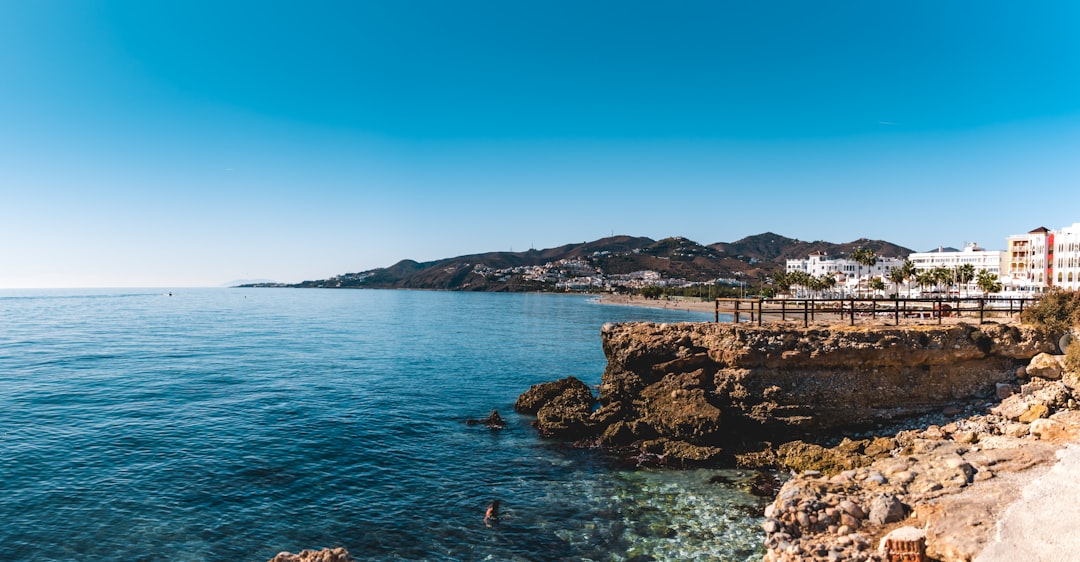
Discover why Nerja, on the sun-drenched Costa del Sol, has become a popular destination for Swedes escaping winter. Re-experience spring with pleasant temperatures and a lively Swedish community.
The feeling of spring in the air
I could smell the jasmine before I even walked onto the little square. The Costa del Sol in March is really different from the rest of the year, I can tell you that. You can feel that winter's definitely over, but it's not hot yet. You see a lot of locals now who are really enjoying the mild temperatures. It's perfect weather for a walk along the coast near Burriana. Honestly, this is the best time to come here if you want to avoid the crowds but still want sun. The average temperature is around 20 degrees Celsius, ideal for being outdoors. A lot of terraces have their full capacity open again, and you see people enjoying themselves everywhere; an ice cream here often only costs around €2 for two scoops. Spring attracts a lot of northerners, especially older generations escaping the last cold waves. In the supermarket, you'll find Spanish products alongside Scandinavian specialties, a sign of how international Nerja has become. Many restaurants are already offering fresh fish. The catch of the day is much easier to get hold of right now. A plate of espetos de sardinas, the locally grilled sardines, costs around €8. That's a perfect light lunch along the beach. The first terraces on the sand of Playa de Burriana are starting to fill up again too. The vibe's just relaxed and lively at the same time. You see the flowers shooting up from the ground, and there's a lovely scent of citrus blossom in the air. You don't get that in July, when everything's dry and parched. The spring sun is also perfect for a boat trip along the cliffs. You can often go for about €15 per person from Playa de Burriana.
The Swedish community up close
What surprised me most after moving to Nerja was the size of the Scandinavian community. I'd expected Dutch and English people to predominate, but the Swedish presence is remarkably large. Nerja is really a second home for many Swedes, especially in spring. There are specific neighborhoods, like around Burriana Beach, where you'll find many Swedish cafés and shops. The Nordic Shop on Calle Castilla is a popular meeting place. These sorts of places are perfect for a coffee or a fika, as they call it. The Swedish bakeries here are genuinely recommended for kardemummabullar. What stands out is that the Swedish community seems much closer-knit than other expat groups. They regularly organize events, like traditional Midsummer celebrations. In El Capistrano, you'll even find Swedish schools and churches, showing how deeply rooted they are here. Some families have had a home here for thirty years. Along Avenida de Pescia, you'll find supermarkets stocking Swedish specialties like Kalles Kaviar and knäckebröd. What I find particularly noteworthy: many Swedes integrate very well with the local population. They speak fluent Spanish and actively participate in local festivities. You don't see that as quickly with other expat groups, who often keep more to themselves. Property prices in these neighborhoods are slightly higher due to popularity, especially for apartments with sea views. I felt a bit like an outsider at first, but the hospitality won me over quickly. I've since learned some basic phrases, like 'tack så mycket' (thank you very much). These small interactions make life here extra interesting.
Fika by the Mediterranean
Just recently, I was sitting with a couple of new Swedish friends on a terrace on Calle Carabeo. We were doing a fika, which is more than just drinking coffee: it's really a social event. We ordered a café con leche and a tarta de almendras, which is fantastic here. Many cafés in Nerja, especially around the Balcón de Europa, have Swedish pastries like kanelbullar on the menu. The price for a fika is usually around €5-€7 per person. During that moment, we noticed how Swedish and Spanish customs actually merge. The Spanish merienda and the Swedish fika have a lot in common: both are moments of peace and togetherness. We talked about the differences in working hours. Many Scandinavians here are retired, but those who work appreciate the flexible hours. They can stop earlier to enjoy the Mediterranean life. The focus on being outdoors is an important factor. Restaurants and cafés like "Pata Negra" on Calle Cristo have spacious terraces. A caña and some tapas on a terrace costs on average €2.50 to €4, which is very affordable. We also talked about the Swedish winters. The thought of months of darkness makes spring here extra appealing. Many Swedes have also built their own social network through local associations. The "Svenska Skolan Costa del Sol" in Fuengirola offers education for children of Scandinavian expats.
Why Nerja, and not somewhere else
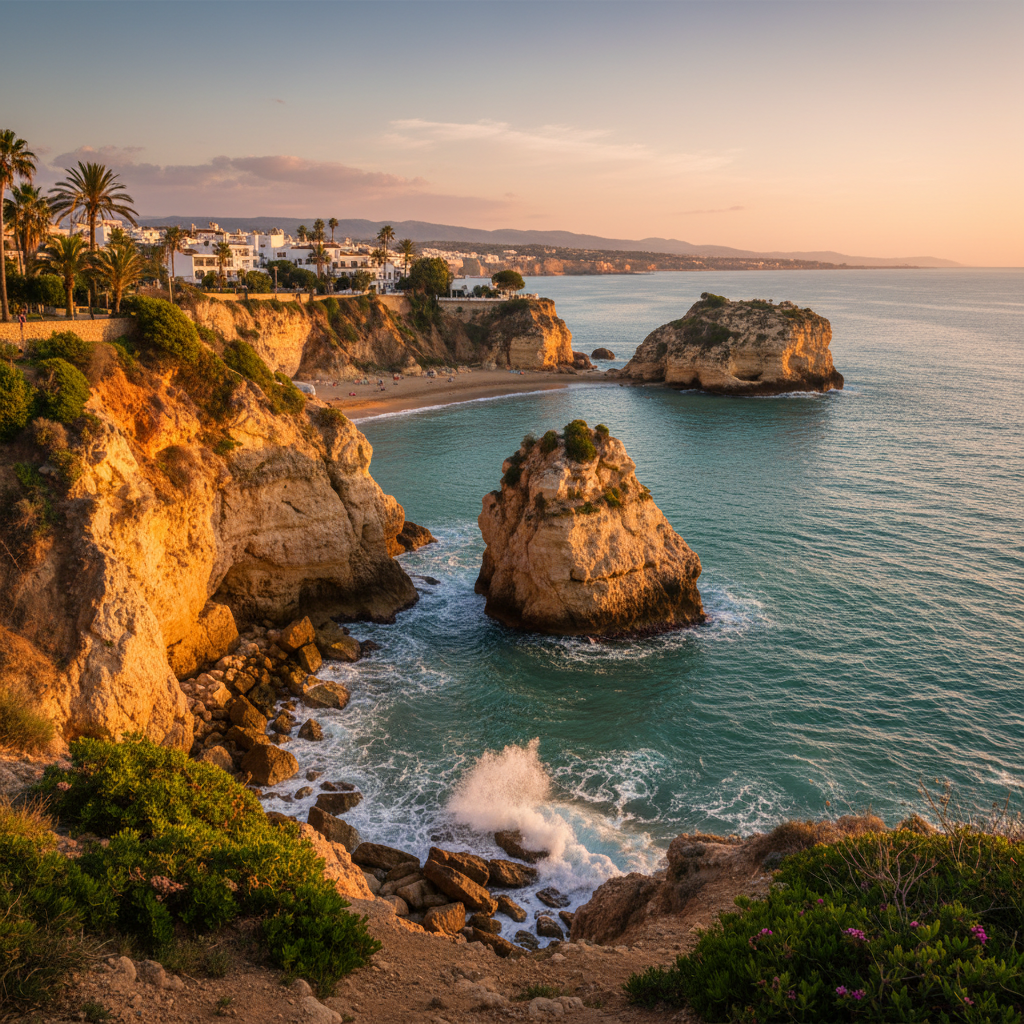
Why do all those Swedes choose Nerja, anyway? The Costa del Sol stretches quite a bit. You've got the busy, touristy places like Torremolinos, but also fancy resorts like Marbella. Nerja falls somewhere in between. The town has about 20,000 inhabitants and offers a perfect balance between liveliness and relaxation. It's also pretty safe here, which people find important. Property prices play a big role. An apartment of 70m2 in Fuengirola easily costs 250,000 euros. In Nerja, you'll find similar options from 200,000 euros, a significant difference. Many snowbirds and seniors are looking for affordable homes, and you can still find them here. The climate difference is enormous: while it's still around freezing in Sweden in March, you enjoy 18 degrees and plenty of sunshine here. But it's not just about weather and prices. A lot of Swedes also have family and friends here. It's the snowball effect: if your neighbor or aunt is having a good time here, you're more likely to come and have a look yourself. Word-of-mouth is super important. And then there's accessibility. From Málaga airport, you're in Nerja in about 45 minutes by car. There are good bus connections; a ticket to Málaga only costs 4.50 euros. What I didn't expect is the number of Swedish businesses that have set up shop here: real estate agents, restaurants serving Swedish dishes, and even therapists. It's a complete ecosystem that makes the transition easier for newcomers.
Feeling at home remotely
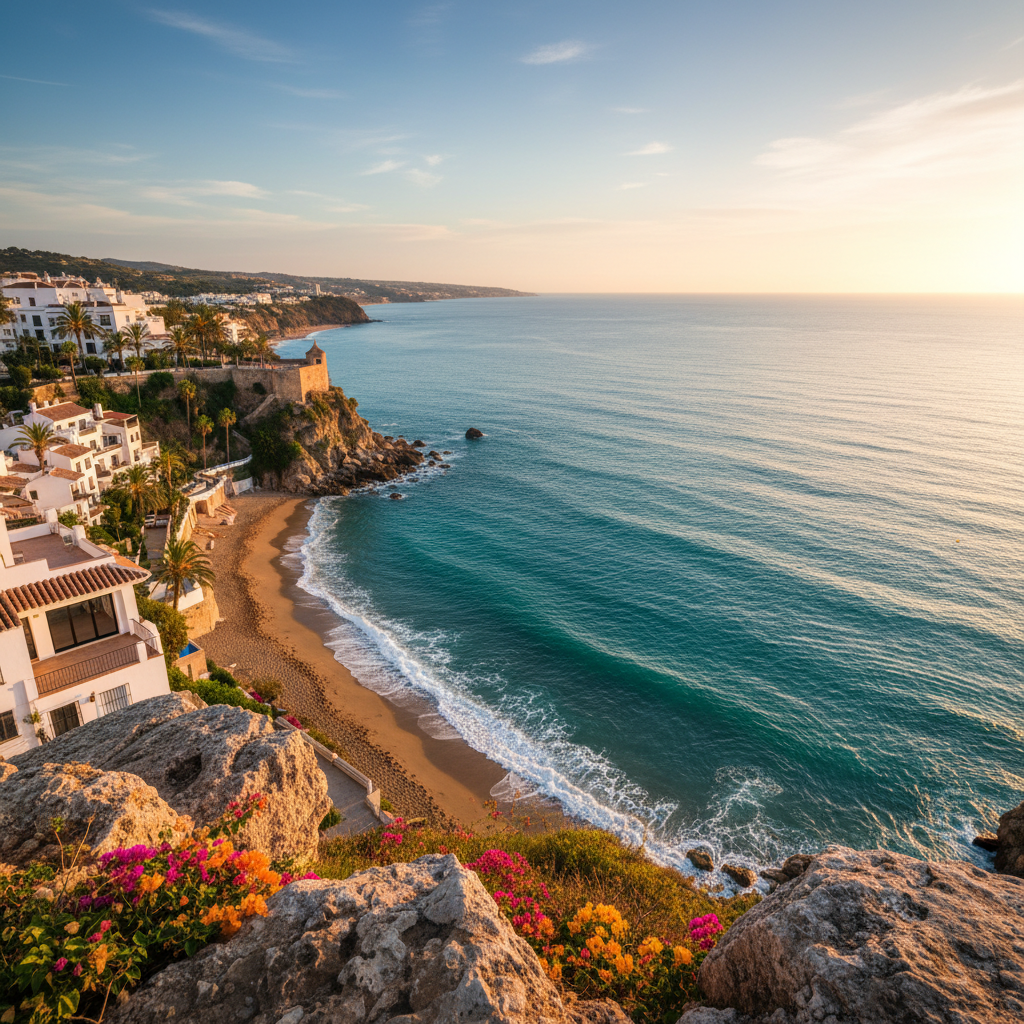
Finding your place in a new environment can be quite a challenge, especially if you don't fully speak the language. Luckily, in Nerja, there are plenty of ways to quickly feel at home. For example, start with the 'Nerja Expat Hub', a Facebook group with more than 10,000 members, where people share tips on everything from rental homes to local events. Café Plaza in the center is a well-known spot where you often run into other Dutch or Scandinavians. They have excellent croissants and strong coffee there, ideal for a morning meeting. Also check the noticeboards at supermarkets; you often see ads for expat gatherings there. The Swedish church (Svenska Kyrkan) on Calle San Juan Bautista 12, about a 10-minute walk from Balcón de Europa, is an important center. Not just for services, but also for fika meetings and markets. It's an accessible way to meet new people. For the sporty ones among us: I joined a walking group that leaves every Thursday at 9:00 AM from Nerja bus station. They organize routes through the mountains and along the coast. My tips: be proactive. Go to those meetings, introduce yourself. A simple "Hola, soy Henry, qué tal?" already opens doors. Most people here are in the same boat, after all. And, very important: be patient, it takes time to build a new network. Worth it. Just do it.