Midsummer night traditions Costa del Sol
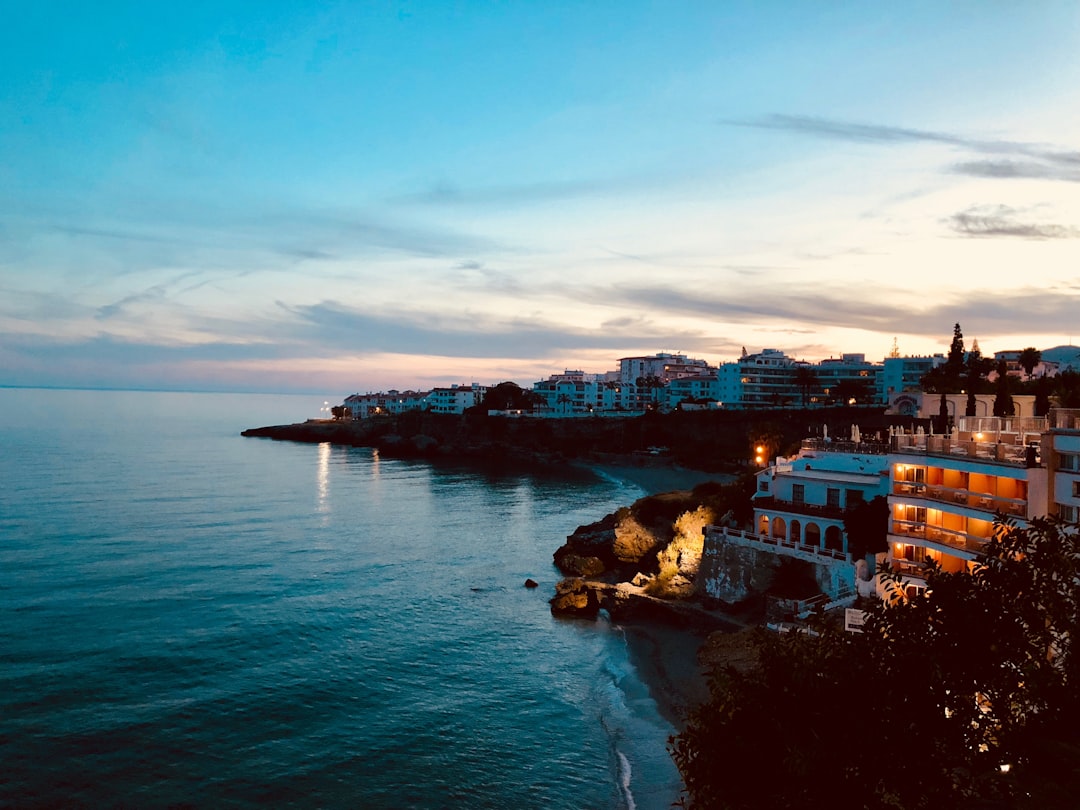
Discover the rituals and traditions around Midsummer Night (Fiesta de San Juan) on Nerja's beaches. From bonfires to fire jumping, experience local customs.
The start of Fiesta de San Juan in Nerja
On June 23rd, Nerja's beaches are packed with people celebrating the Fiesta de San Juan, midsummer's night. It's a tradition that draws many people to this region every year. You can usually feel the start of the festivities on the beaches by the afternoon already. Preparations begin early, especially if you want to get a good spot on the beach. Once it gets dark, I often see families standing with inverted umbrellas collecting as much "catch" as possible along the route. Many people make small bonfires on the beach, following the tradition of making wishes and jumping over the fire for good luck. It's a special night with a lot of anticipation and rituals.
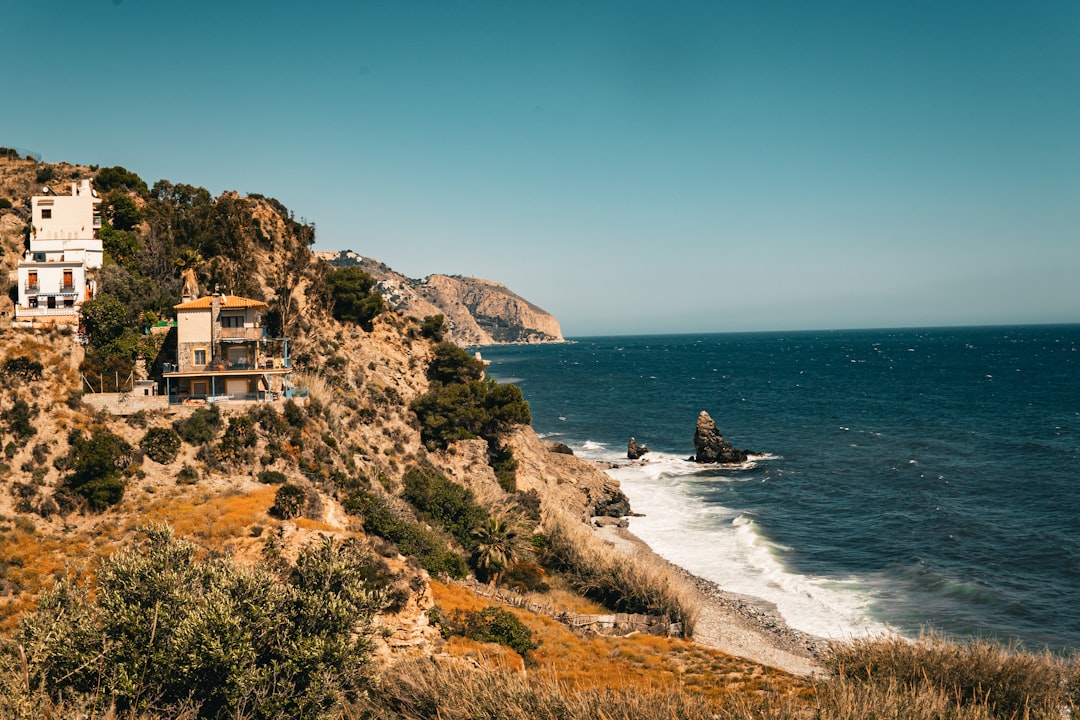
The highlight of the evening is the burning of the "Júas," large effigies that often poke fun at local or national current events. These effigies are set up on the beach and lit at midnight. Tradition dictates that this burning symbolizes leaving the old behind and welcoming the new. Besides the bonfires and the Júas burning, it's customary to take a dip in the sea after midnight. People believe the water has extra cleansing powers then.
In other villages in the Axarquía and on the Costa del Sol, like Torrox, Noche de San Juan is also celebrated in June, with similar midsummer night parties and bonfires on the beach. I always see families with inverted umbrellas standing along the route, collecting as much "catch" as possible, and soaking up that special atmosphere. It's a tradition that's deeply rooted in the local culture, an evening full of folklore and celebrating summer.
Bonfires and wishes on Playa Calahonda
After the bonfires and jumping over the flames, many people head to the sea around midnight. It's a tradition to go into the Mediterranean then. This symbolizes shedding the old and welcoming a fresh start. It's believed that the water has purifying powers at this specific time of year. A dip at midnight during Noche de San Juan is supposed to bring luck for the coming year. This is a common custom all along the coast, not just in Nerja. I always see many people going into the sea, sometimes hand-in-hand, to share this special experience. It's a moment of community and hope, where you literally make a clean slate. The atmosphere on the beach then changes from exuberant to more subdued and special. It's a regular part of the San Juan celebration here in Nerja. I like to go into the sea around midnight too, actually. It's a refreshing experience after the heat of the fire and the crowds on the beach. A moment of calm and reflection before the night continues. After the dip, many people stay on the beach chatting a bit longer, or they find a spot on the sand to spend the rest of the night and watch the sunrise. The fresh sea air and the thought of a new beginning make this a special part of the tradition.
Music, food and family on the Costa del Sol
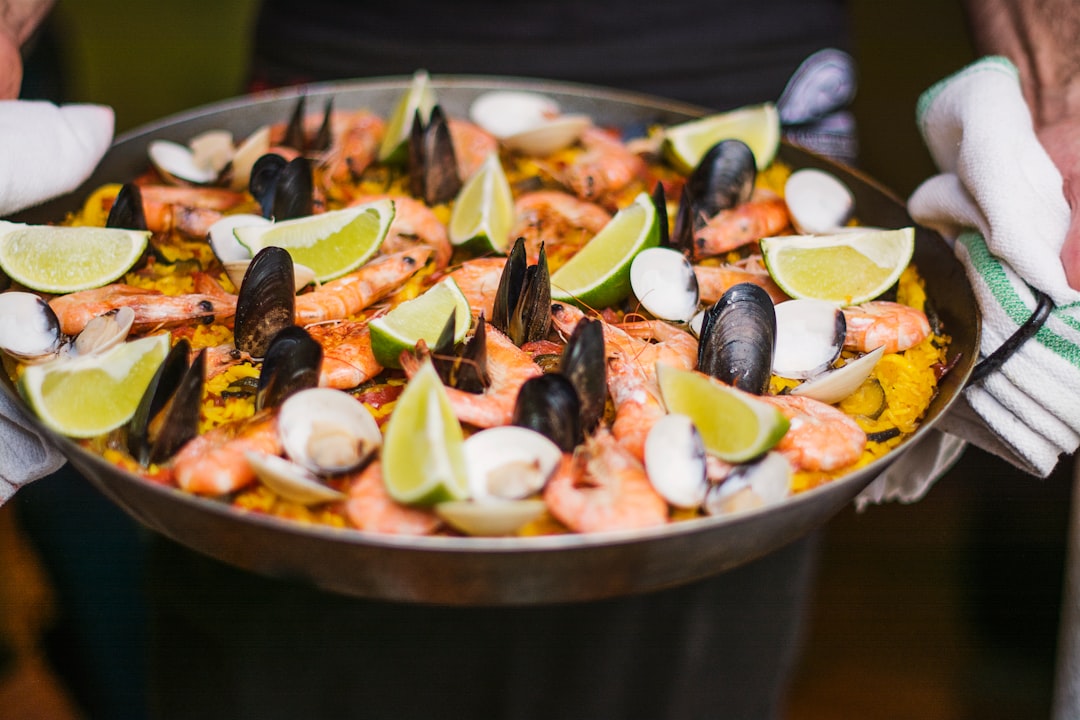
The Midsummer Night celebration isn't just limited to Nerja; it stretches along the entire Costa del Sol coastline, from Málaga all the way to the Axarquía. On many beaches, you'll find families and groups of friends gathering around small bonfires. The beach transforms into one big open-air kitchen, where the smell of grilled fish fills the sea air. A culinary highlight of the night are the espetos, sardines cooked on bamboo skewers over an open fire. This is a tradition that's deeply rooted in the local culture of the Costa del Sol, and you'll find it everywhere along the beaches. It's a simple dish, but the preparation and sharing it with loved ones make it a special experience. Maria often talks about how her family used to prepare full meals on the beach for this occasion. The evening is filled with music, everything from traditional flamenco to modern pop, often played live or from portable speakers. There's a festive atmosphere everywhere, where local families and visitors come together to enjoy the music and the company. I always see families with inverted umbrellas standing along the route, collecting as much "catch" as possible. It's an accessible party where everyone's welcome to take part in the festivities. Besides the espetos, you'll often find other local treats, like the traditional Roscón de Reyes, though that's normally eaten with Epiphany on January 6th. The vibe is relaxed and friendly, with a lot of laughter and conversations going on deep into the night. It's a night to be together, eat, drink, and celebrate the arrival of summer. The Midsummer Night celebration on the Costa del Sol is a deeply ingrained tradition that often brings families together year after year at their favorite beach spots. It's a chance to escape daily routine and enjoy the simple pleasures of life by the sea. I've always found this a lovely tradition, though I've never actually found the little figure myself.
San Juan vs traditional Nochevieja celebrations
![People gathered in a town square at midnight](https://xhywqndiqvmvxqqpgppk.supabase.Both festivities are about rituals to leave the old behind and welcome the new. The difference is in the execution and the locations. During Nochevieja, it's tradition to eat twelve grapes at midnight, one for each chime, which is supposed to bring luck for the twelve months that follow. This celebration mainly takes place in town squares, like in Málaga, or at home, with company. The focus is on the transition from year to year, often with fireworks at the end. San Juan offers a completely different vibe. Here, the beach is the center, instead of the squares. The bonfires and jumping over the fire are the central rituals to cleanse yourself of negative energy and make wishes for the future. The emphasis is on the natural elements: fire and water. Both celebrations have a strong sense of community. Where Nochevieja often has a more formal character with set customs, San Juan is more spontaneous and free. People come together, eat and drink, and share the hope for a prosperous future. These are moments when the local community truly comes alive. The contrast between the cool winter evening of Nochevieja and the balmy summer evening of San Juan is palpable. Where the winter cold invites hugs and the warmth of grapes and cava, the summer warmth of San Juan encourages a dip in the sea and sharing bonfires on the beach. Two very different experiences, but both deeply rooted in Spanish culture. Next time, I'll write about the Romería de San Antonio in June, in Torrox, another spectacle.