Nerja Feria
The annual Feria in Nerja is more than just a party; it's a deep-rooted tradition. Henry talks about its history, the parades, and what you can expect from this autumn festival.
Every year, around early October, Nerja starts buzzing with a different energy. You'll see the streets slowly filling up; preparations are already in full swing then. I always love seeing how the whole village gets involved with the Feria; it really feels like a community. It's Nerja's annual Feria, and it lasts about five days, often from October 8th to 12th, around the feast days of the Virgen de las Angustias and San Miguel Arcángel. This festival is a deep tradition here, much more than just a fair. It's a tribute to the patron saints, a chance for families to get together and celebrate the harvest. I always pop by, even if it's just to soak up the atmosphere and see the locals enjoying themselves. That mix of religion, folk festival, and modern music is very typically Spanish, and you won't find it anywhere else as concentrated as it is here.
The parades and processions
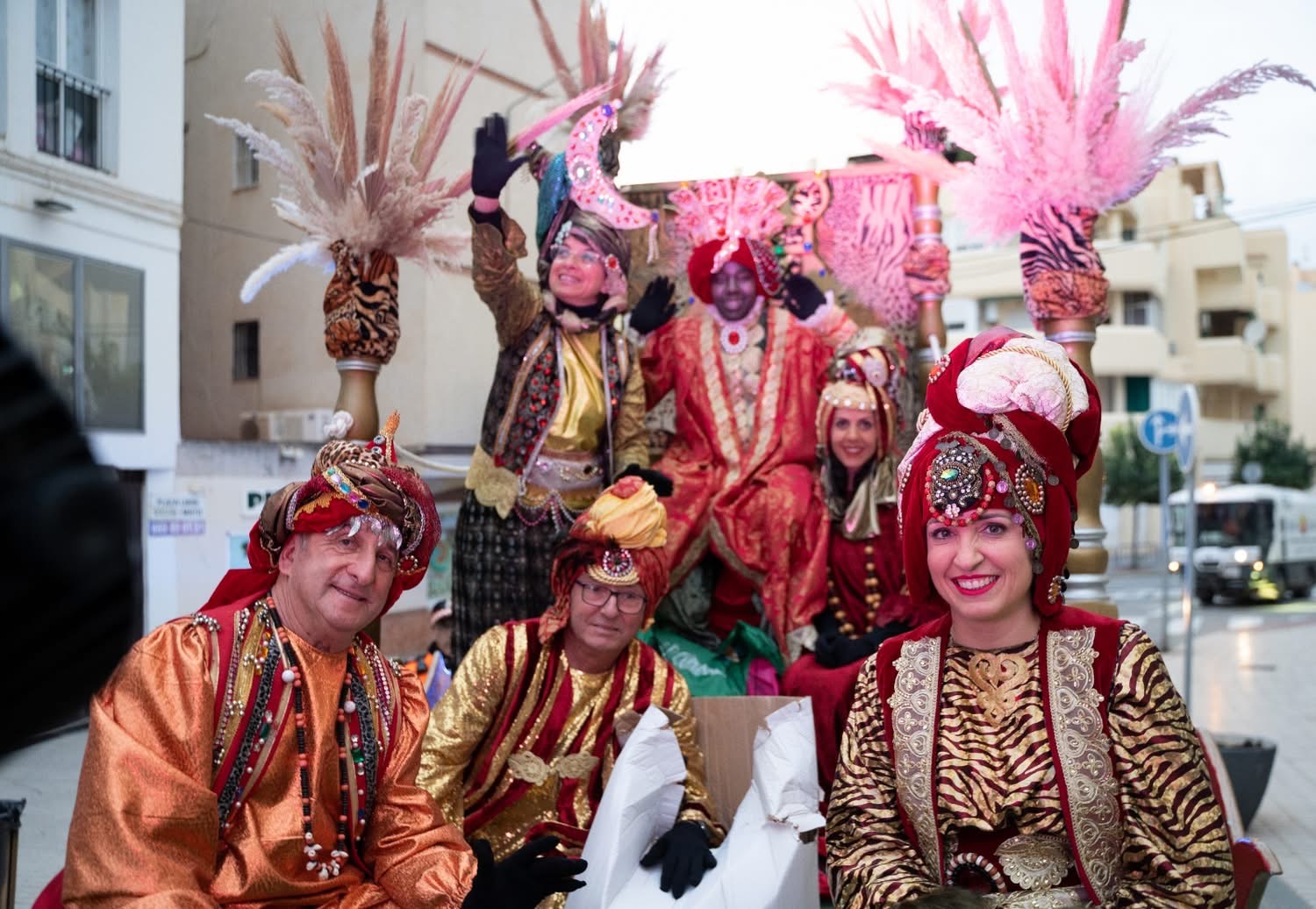
The Feria usually kicks off with a colorful parade, the 'Cabalgata de la Feria'. Kids look forward to it every year, all dressed up. It's a joyful affair that winds through the streets, with music and lots of people lining the sidewalks.
Then comes the official opening with the election of the 'Reina y Damas de la Feria', the queen and ladies-in-waiting, which is a big deal for many young girls here.
The following days feature several processions; the one honoring Virgen de las Angustias is particularly impressive. This Virgin is Nerja's patron saint, and her image is carried through the streets, followed by many believers and local authorities. The Semana Santa processions, as I wrote about before, are bigger and more dramatic, but this Feria procession has its own charm and is more about gratitude and celebration.
The 'Caseta' and local parties
During the Feria, a special area, the 'recinto ferial', is set up with various 'casetas'. These are large tents, some from the municipality, others from local associations or groups of friends. I like going there because you really get a taste of the local culture; during the day it's often the place for families with flamenco and traditional tapas, and in the evening it turns into a dance floor. The atmosphere during the day is quite different from the evening.
The music varies from flamenco and sevillanas to modern pop and salsa. You'll often see locals in traditional clothing here, especially the women in their 'traje de flamenca'. It's not a place where you read a book in silence; expect lively conversations, dancing, and lots of laughter. This is precisely why I find the Feria so interesting; it's a direct glimpse into the Spanish soul. Access to the casetas is usually free; you just pay for your drinks and food.
For young and old – fairground and bullfighting
Of course, a proper Feria also includes a fairground, with attractions for all ages. From the 'noria', the Ferris wheel, you get a lovely view over Nerja and the sea, especially when the sun's setting. Expect the classic attractions, from bumper cars to cotton candy. It's a place where the kids can have hours of fun, and where you can't miss the smell of fried churros.
Historically, there were bullfights too, but they've become less prominent, or even absent, in Nerja in recent years. The focus has shifted towards more family-friendly and cultural activities. This is a trend you're seeing across Spain, where animal welfare plays a bigger role. For enthusiasts, there are often exhibitions or other events that harken back to this tradition, but it's no longer the main attraction it once was.
Closing with fireworks and Día del Pilar
The Feria often wraps up with a spectacular fireworks show, usually on the last evening. This happens over the sea, which always makes for a beautiful spectacle. Lots of people gather on the beaches or at the Balcón de Europa to watch it. It's a fitting end to a week full of festivities and togetherness. Often the Feria coincides with the national holiday Día del Pilar on October 12th, the day of Hispanidad. This day celebrates Spain's cultural heritage and is also the feast day of the Guardia Civil. You'll often see official ceremonies then, and in some villages, even Guardia Civil parades. It's an extra day off for many people, which can stretch the festivities in Nerja a bit longer.
Frequently asked questions
When is the Nerja Feria?
The Nerja Feria takes place annually around the feast days of its patron saints, Virgen de las Angustias and San Miguel Arcángel. This usually means the festival runs from October 8th to 12th. The exact dates can shift slightly each year, so it's a good idea to check.
What can you expect to see during the Feria?
During the Nerja Feria, you'll see a mix of religious processions, like the one for the Virgen de las Angustias, and joyful parades. There's a fairground with attractions and 'casetas' (party tents) where local music and dance, like flamenco, are central. It's a family-friendly festival with lots of life.
Is there a cost to visit the Feria?
Entry to the Feria grounds and the 'casetas' is generally free. You do pay for the fairground attractions and, of course, for food and drinks in the casetas. The processions and parades are free to watch from the streets. It's an accessible event for everyone. The Feria is a great time to experience Nerja the Spanish way. Just join in.